
YOGA WELLNESS RETREAT IN POKHARA
July 28, 2026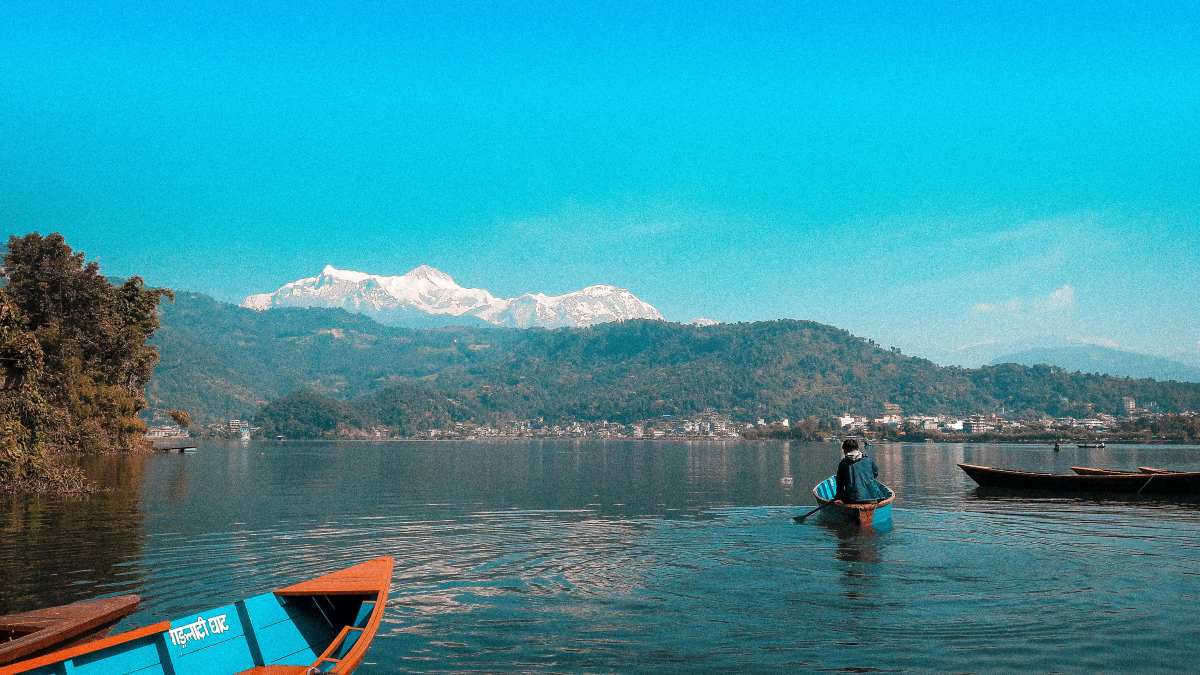
You wake up to mist sitting on top of Phewa Lake. Somewhere across the water, the Annapurna range is just starting to turn pink. There’s no traffic, no notification buzz, nothing pulling at your attention except your own breath. That’s a fairly normal Tuesday morning at a yoga wellness retreat in Pokhara, and it’s the reason so many travelers quietly rearrange their entire Nepal itinerary around this one lake city.
If you’ve been circling the idea of a yoga wellness retreat for months, maybe years, this guide is for you. We’re going to walk through why Pokhara has become one of Asia’s most underrated wellness destinations, what an actual day looks like once you’re there, how much it tends to cost, which neighborhood suits your personality, and how to avoid picking a retreat that looks beautiful in photos but doesn’t match what you actually need right now.
Why Pokhara of All Places?
Kathmandu gets the tourists rushing between temples and traffic. Pokhara gets the ones who’ve already decided they want to slow down. It’s about a 25-minute flight or a 6 to 7 hour drive west of the capital, and the moment you arrive, the pace of the city drops with it.
The setting does a lot of the work here. Phewa Lake sits at the center of town, and behind it the Annapurna range rises straight up, close enough that on a clear morning it looks almost painted on. Most retreat centers are built either right along the lakeside or up on the surrounding hills in areas like Sarangkot, so your yoga mat usually faces a view that would otherwise cost a fortune.
There’s also a practical reason Pokhara works so well for retreats: it’s genuinely quiet outside of a few tourist strips. You can walk fifteen minutes from a busy lakeside cafe and find yourself on a dirt path between rice terraces with nobody around. That contrast between accessible and remote is rare, and it’s exactly what makes multi-day stillness possible without total isolation.
What Is a Yoga Wellness Retreat in Pokhara?
A yoga wellness retreat in Pokhara is a multi-day stay, usually 3 to 21 days, combining daily yoga and meditation sessions with vegetarian or Ayurvedic meals, guided nature walks, and simple lakeside or hillside accommodation. Most centers sit near Phewa Lake or on the hills above it, with Himalayan views built into the daily schedule.
Best Time to Visit for a Retreat
Weather matters more here than in most cities, since so much of the practice happens outdoors or in open-air yoga halls. Here’s how the seasons break down:
| Season | Months | What to Expect |
| Autumn | Sept – Nov | Clearest mountain views, dry air, most popular season, book early |
| Winter | Dec – Feb | Cool mornings, warm days, thinner crowds, still clear skies |
| Spring | Mar – May | Rhododendrons in bloom, warm, occasional haze near late May |
| Monsoon | Jun – Aug | Frequent rain, lush green hills, lowest prices, fewer mountain views |
If seeing the mountains clearly is non-negotiable for you, aim for October, November, or January. If you’d rather have a quieter retreat with better rates and don’t mind cloud cover rolling in some afternoons, July and August are worth considering.
What Kind of Retreat Actually Fits You?
Not every retreat in Pokhara is the same experience wearing a different name. Some are built around silence and inward work, others are closer to an active wellness vacation with yoga as one part of the day. It helps to know which category you’re actually looking for before you start comparing prices.
| Retreat Length | Best Suited For | Typical Daily Focus |
| 2–3 days | First-timers, short breaks | Sun salutations, basic breathwork, one guided walk |
| 7 days | Most popular option | Two daily yoga sessions, meditation, philosophy talks, hikes |
| 10–14 days | Deeper reset, stress recovery | Detox-style meals, longer silence blocks, Ayurvedic therapy |
| 21+ days / TTC | Teacher training, serious practitioners | Anatomy, teaching methodology, daily practicum |
A 7-day stay is the sweet spot for most first-time visitors. It’s long enough that your body actually adjusts to the rhythm of early mornings and simple food, but short enough to fit around a broader Nepal trip that might also include Kathmandu or a short trek.
What an Actual Day Looks Like
This is the part people ask about most, because ‘yoga retreat’ can mean very different things depending on the center. Here’s a fairly typical daily rhythm you’ll find across most Pokhara retreats:
Early Morning: 5:30–6:00 AM wake-up bell, herbal tea, and a short walk to the yoga hall while the light is still soft over the lake.
Morning Practice: 6:00–7:30 AM asana practice, usually Hatha or a gentle Vinyasa flow, followed by a short pranayama and meditation sit.
Breakfast: 8:00 AM breakfast, typically fresh fruit, porridge, and herbal tea, eaten in silence or quiet conversation.
Free / Study Time: Late morning is often left open for a hike, a yoga philosophy talk, or a rest period, depending on the retreat’s structure.
Lunch: 1:00 PM main vegetarian meal, usually dal bhat or an Ayurvedic-style thali built around seasonal vegetables.
Evening Practice: 4:00–5:30 PM second yoga session, often slower-paced, followed by a guided or silent meditation as the sun starts to drop behind the hills.
Dinner & Wind-down: 7:00 PM light dinner, sometimes followed by a chanting circle, sound bowl session, or simply an early, quiet night.
None of this is rigid across every center, some lean more spiritual with chanting and silence blocks, others keep things closer to a fitness-focused wellness schedule. It’s worth asking for a sample daily itinerary before you book, rather than assuming.
Lakeside, Sarangkot, or Begnas: Where Should You Stay?
Pokhara’s retreat centers cluster around three general areas, and each one gives you a noticeably different experience.
| Area | Feel | Good For |
| Lakeside | Walkable, cafes and shops nearby, still calm off the main strip | First-timers who want some comfort nearby |
| Sarangkot Hills | Higher up, sweeping mountain views, quieter at night | Sunrise views, deeper stillness, hiking access |
| Begnas Lake area | More rural, fewer visitors, slower pace | Longer retreats, teacher training, real seclusion |
Lakeside is the easiest option if this is your first retreat and you’d like the option to wander into town for a coffee on a free afternoon. Sarangkot suits people chasing that classic sunrise-over-the-Himalayas photo and don’t mind a short taxi ride into town. Begnas is for people who’ve done a retreat before and know they want fewer distractions, not more.
What’s Usually Included in the Package Price
Typical Inclusions
- Shared or private room accommodation, often with an attached bathroom
- Three vegetarian or Ayurvedic meals a day, with most centers accommodating dietary restrictions if you flag them ahead of time
- Two daily yoga and meditation sessions led by resident teachers
- One or two guided excursions per week (short hikes, boating on Phewa Lake, a village or temple visit)
- Basic wellness extras at some centers: Ayurvedic massage, sound healing, or a steam sauna
What’s usually not included: your international flight, Nepal visa fee, travel insurance, and anything beyond the standard excursions, like a private trek or a paragliding session over the valley. Always check this line by line before comparing two retreats on price alone, since a cheaper package sometimes just means fewer included meals or a shared bathroom down the hall.
How to Choose the Right Retreat for You
- Start with your goal. Decide what you actually need right now: physical reset, mental stillness, or a structured teacher training. These pull you toward very different centers.
- Be honest about your experience level. If you’ve never done more than a weekly studio class, a heavy 3 A.M. Vipassana-style schedule might work against you rather than for you. Look for centers that describe themselves as beginner-friendly.
- Check who’s actually teaching. A short YouTube search of the resident teacher’s name usually tells you more than the retreat’s own marketing copy.
- Compare group size and price honestly. A retreat with three shared meals a day and basic rooms can run well under what a resort-style wellness package charges for the same length of stay. Neither is wrong, but know which one you’re paying for.
- Ask before you book. Reach out directly and ask about their cancellation policy, daily schedule, and how many guests are typically in a session. A center that answers clearly and promptly is usually well run behind the scenes too.
Beyond the Mat: Things to Do Around Pokhara
Most retreats build in at least one or two free afternoons, and Pokhara gives you plenty to do with them. A slow boat ride across Phewa Lake toward the Tal Barahi temple is the easiest way to spend a quiet hour. If you want a bit more movement, the hike up to Sarangkot for sunrise is doable in a couple of hours round trip and rewards you with one of the best mountain views in the country.
For anyone who wants to balance stillness with a bit of adrenaline, Pokhara is also one of the world’s more accessible spots for paragliding, with tandem flights launching right from the hills above the lake. World Peace Pagoda, a short boat-and-walk combination, is another common half-day trip that most retreat staff can help arrange.
Getting to Pokhara
Most international travelers fly into Kathmandu first, then connect onward. From there, you have two realistic options: a short domestic flight of around 25 minutes, or a scenic overland drive that typically takes 6 to 7 hours by tourist bus or private car, following the Trishuli and Marshyangdi river valleys for much of the route.
If your schedule is tight, flying saves the better part of a day. If you’d rather ease into the slower pace before you even arrive, the drive itself is a decent warm-up for the retreat mindset, with regular stops for tea along the way.
Frequently Asked Questions
How many days should a first yoga retreat in Pokhara be?
Seven days is generally the recommended starting point. It gives your body time to adjust to early mornings and simple meals without requiring the deeper time commitment of a 14-day or teacher training program.
Do I need prior yoga experience to join a retreat in Pokhara?
No. Most retreat centers structure their programs for mixed-level groups and offer modifications for beginners. It’s still worth confirming this directly with the center, since a few are built specifically for experienced practitioners or teacher trainees.
What is the food like at a Pokhara yoga retreat?
Meals are almost always vegetarian, often Ayurvedic-influenced, and built around fresh, local ingredients like lentils, rice, seasonal vegetables, and herbal teas. Most centers can accommodate common dietary restrictions if you mention them when booking.
Is Pokhara safe for solo travelers attending a retreat alone?
Yes, Pokhara is one of the more solo-traveler-friendly cities in Nepal, and a large share of retreat guests arrive alone. Lakeside in particular is walkable and well used to independent travelers.
What should I pack for a yoga retreat in Pokhara?
Layered clothing works best, since mornings and evenings are cool even in warmer months. Bring a light yoga mat cover or towel, a reusable water bottle, sun protection, and a light jacket if you’re visiting between November and February.
How much does a yoga retreat in Pokhara typically cost?
Pricing varies widely by length, room type, and how many wellness extras are included, so it’s best to request a direct quote from the specific center you’re considering rather than relying on a single average figure.