Why Choose Nepal for Your 200 Hour Yoga Teacher Training? A Complete Guide
August 4, 2026
A 200 hour yoga teacher training in Nepal is about much more than earning a certificate. It’s an opportunity to step away from the distractions of everyday life and immerse yourself in an environment that supports learning, personal growth, and self-discovery.
You’ll spend your days practicing yoga, exploring ancient philosophy, learning how the body works, discovering the power of breath, and understanding what it truly means to live with awareness. Along the way, you’ll meet people from different cultures, share meaningful conversations, and build friendships that often last well beyond the course itself.
Whether you dream of teaching yoga professionally or simply want to deepen your own practice, Nepal offers an experience that feels both grounding and inspiring.
In this guide, you’ll discover what a 200-hour yoga teacher training involves, why Nepal has become one of the world’s most rewarding destinations for yoga education, and how learning in the peaceful surroundings of the Himalayas can shape your practice in ways you may never have imagined.
What Is a 200 Hour Yoga Teacher Training?
Before choosing where to study, it’s helpful to understand what a 200-hour yoga teacher training actually is. It’s the foundation of professional yoga education. If you’ve ever wanted to teach yoga classes, this is usually the first certification you’ll complete. But even if you have no intention of becoming a yoga teacher, many people join the course simply because they want to understand yoga on a much deeper level.
Most people are introduced to yoga through physical practice. They attend a class, learn a few postures, and enjoy how their bodies feel afterward. Over time, many become curious about the deeper meaning behind the practice. Questions naturally begin to arise.
Why does controlled breathing make such a difference?
What is meditation actually teaching us?
How can ancient yogic philosophy still feel relevant in modern life?
A teacher training program answers those questions while giving you the knowledge and confidence to practice with greater awareness.
During the course, you’ll explore several essential areas of yoga, including:
- Yoga postures (asanas) and proper alignment
- Breathing techniques (pranayama)
- Meditation and mindfulness
- Yoga philosophy and history
- Human anatomy and physiology
- Teaching methodology
- Class sequencing
- Ethics and professional responsibility
Rather than memorizing routines, you’ll learn why each practice matters and how different elements of yoga work together to support both physical and mental well-being. You’ll also spend plenty of time practicing what you learn.
As the weeks go by, you’ll begin teaching short classes to your fellow students, receive constructive feedback from experienced instructors, and gradually develop the confidence to lead your own sessions.
Many students are surprised by how much they grow personally during the training. You arrive hoping to learn how to teach yoga. You leave with a better understanding of yourself. For some, the biggest transformation happens physically. They become stronger, more flexible, and more aware of their body’s movement.
For others, the greatest changes happen internally. They become calmer under pressure, more patient in relationships, and more intentional in everyday life.
That’s why people often describe a 200 hour yoga teacher training as one of the most meaningful experiences they’ve ever had. It’s not simply an educational course. It’s a chance to slow down, challenge yourself, and reconnect with what truly matters.
Why Nepal Is Becoming a Global Yoga Destination ?
When people think about yoga, India is often the first country that comes to mind, and for good reason. Yoga has deep historical roots there. But over the last decade, Nepal has earned a well-deserved reputation as one of the world’s most rewarding places to study yoga. What makes Nepal different isn’t that it tries to compete with other destinations. Instead, it offers something uniquely its own. The moment you arrive, you notice the difference.
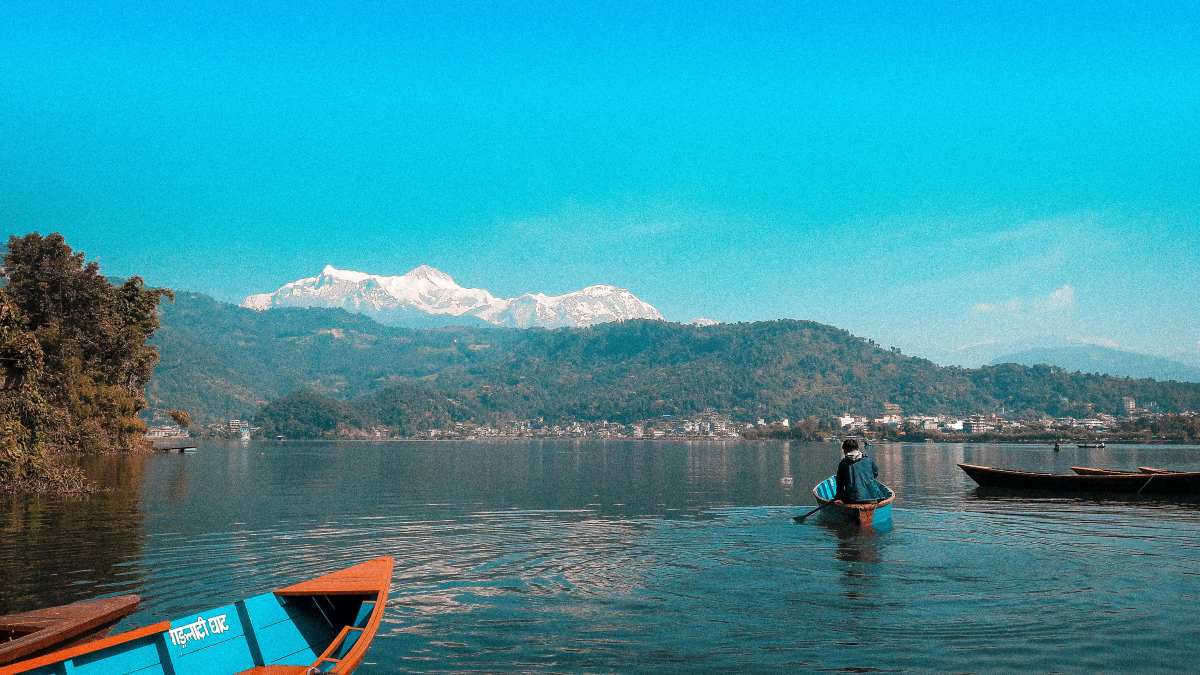
One of the country’s greatest strengths is its extraordinary natural environment. Whether you’re practicing in Pokhara with panoramic Himalayan views or meditating in a peaceful garden surrounded by greenery, nature becomes part of your daily routine. Fresh mountain air, birdsong in the morning, and breathtaking sunsets create an atmosphere where concentration comes more easily.
Many students discover that meditation feels different here. Without the constant noise and distractions of everyday life, it’s easier to focus on your breath, quiet your thoughts, and experience moments of genuine stillness.
Another reason students are drawn to Nepal is its welcoming community. Yoga teacher training often brings together people from many different countries, backgrounds, and professions. Some are experienced practitioners. Others have only been practicing for a year or two.
Despite those differences, everyone shares a common intention: to learn, grow, and support one another. It’s not unusual for strangers to become lifelong friends by the end of the course. The shared experience of practicing, studying, laughing, and overcoming challenges together creates a strong sense of community.
Nepal also offers excellent value for international students. Compared with many Western countries and several other popular yoga destinations, the cost of living is lower, allowing schools to provide comprehensive training packages that often include accommodation, nutritious meals, study materials, and daily classes.
Top Reasons to Choose Nepal for Your 200 Hour Yoga Teacher Training
Every yoga teacher training offers an opportunity to learn, but where you choose to study can shape your entire experience. The right destination doesn’t just provide a classroom; it creates an environment where you can focus, grow, and connect with yourself without the usual distractions of everyday life. That’s one of the biggest reasons so many students choose Nepal.
From peaceful mountain landscapes to authentic yoga teachings and a welcoming community, Nepal offers an experience that stays with you long after your training ends. Let’s take a closer look at what makes this country such a special place to begin your yoga journey.
1. Yoga Feels More Authentic in Nepal
If you’re investing your time and energy into a 200-hour yoga teacher training, you want more than just learning how to teach poses. You want to understand the heart of yoga.
In Nepal, yoga is often taught as a complete lifestyle rather than a fitness trend. Along with learning asanas, you’ll explore the philosophy, ethics, breathing techniques, meditation practices, and mindful habits that have been passed down through generations.
Instead of rushing from one topic to the next, you’re encouraged to slow down and truly absorb what you’re learning. For many students, this changes the way they see yoga.
You begin to understand that every posture has a purpose. Every breath influences your mind. Every meditation session teaches patience differently. The lessons gradually become part of your daily life, not just something you practice on a yoga mat. This deeper understanding often becomes one of the most rewarding parts of studying yoga teacher training in Nepal.
2. The Himalayas Create the Perfect Learning Environment
The Himalayas aren’t simply a beautiful backdrop for photographs. They create an atmosphere that encourages stillness, reflection, and presence. Imagine beginning your morning with gentle stretches as the first light touches the mountain peaks. The air feels fresh, the surroundings are quiet, and your attention naturally settles on the present moment.
It’s a simple experience, but one that many students remember long after they’ve completed their training. Nature also has a way of slowing us down. Without the constant noise of traffic, crowded streets, and endless notifications, it becomes easier to concentrate during meditation, stay present during yoga practice, and absorb everything your teachers are sharing.
This peaceful environment supports not only your physical practice but also your mental and emotional well-being.
Many graduates say they made more personal progress in a few weeks in Nepal than they expected because they finally had the space to focus on themselves.
3. A More Affordable Way to Learn Without Sacrificing Quality
Many 200-hour yoga teacher training programs in Nepal include accommodation, nourishing vegetarian meals, course materials, and daily yoga classes as part of the package. That means you don’t have to worry about organizing everything separately. Instead, you can focus on your learning and personal growth.
Lower living costs also make Nepal an attractive destination for international students who want an immersive experience without the high prices often associated with yoga programs in other countries.
Of course, choosing a course shouldn’t be based on price alone. The real value comes from finding experienced teachers, a supportive learning environment, and a curriculum that helps you grow both personally and professionally. Fortunately, many yoga schools in Nepal offer exactly that.
4. Learn from Teachers Who Genuinely Care About Your Growth
A great yoga teacher doesn’t simply demonstrate postures. They inspire curiosity, encourage questions, and help you discover your own path. One of the things students often appreciate about studying in Nepal is the supportive relationship they build with their instructors. Rather than feeling like you’re sitting in a large lecture, classes often feel more personal.
Teachers take time to explain the reasoning behind each practice, correct alignment with care, and guide students through challenges with patience and encouragement. If you’re struggling with a posture, you’ll receive guidance. If you’re unsure about yoga philosophy, you’ll have the opportunity to ask questions and explore different perspectives. This kind of learning environment builds confidence naturally.
By the end of the training, many students are surprised by how comfortable they feel leading classes and sharing their knowledge with others. That’s the result of consistent support rather than simply completing a curriculum.
5. Smaller Classes Mean More Individual Attention
Think back to the best learning experiences you’ve ever had. Chances are, they happened in an environment where you felt seen, supported, and encouraged to participate. That’s one of the biggest advantages of many yoga schools in Nepal.
Instead of training alongside hundreds of students, you’ll often study in smaller groups where instructors can pay closer attention to each person’s progress. This makes a real difference. Your alignment can be corrected more accurately. Your questions are answered in detail. Your teaching practice receives meaningful feedback. And your confidence grows step by step.
Learning in a smaller community also creates stronger connections with your classmates. During your training, you’ll practice together, study together, share meals, celebrate achievements, and support one another through the more challenging moments. By the end of the course, it’s common for students to feel less like classmates and more like a family. Many continue practicing together, visiting one another, or staying in touch long after returning home. These friendships become another unexpected gift of the experience.
6. You’ll Learn More Than Just Yoga Poses
When people hear the words yoga teacher training, they often picture hours of practicing challenging postures. While asana practice is an important part of the course, it’s only one piece of the experience.
A well-designed 200 hour yoga teacher training in Nepal helps you understand yoga as a complete system for living with greater awareness, balance, and purpose.
Each day introduces something new. You might begin the morning with meditation and breathwork, spend the afternoon studying anatomy or philosophy, and end the day practicing teaching techniques with your classmates.
Over time, you’ll notice that everything connects. The breathing exercises help you stay calm during challenging moments. The philosophy encourages you to look at everyday situations from a different perspective.
The anatomy classes help you understand why proper alignment matters, not just for yourself but for the people you’ll eventually teach. Instead of simply memorizing information to pass an assessment, you’re learning skills that become part of your daily life. That’s what makes this experience so valuable. By the end of the training, you’ll have a much deeper appreciation for yoga, not only as a physical practice but as a lifelong journey of learning and self-awareness.
7. It’s a Chance to Step Away from Everyday Life
Think about how busy your typical day is. There’s work, family responsibilities, social media, emails, messages, deadlines, and an endless list of things competing for your attention. Finding an hour for yoga can already feel like an achievement. Now imagine spending several weeks where your main focus is simply learning, practicing, eating nourishing food, resting, and being present.
That’s one of the biggest gifts a yoga teacher training in Nepal offers. It’s not about escaping your life. It’s about creating enough space to reconnect with yourself. Without constantly checking your phone or rushing from one commitment to another, you’ll begin to notice small things that often go unnoticed.
You’ll become more aware of your breathing and recognize how your body feels after each practice. You’ll discover what it means to sit quietly without feeling the need to fill every moment with activity. Many students arrive expecting to improve their yoga practice. Instead, they leave with healthier daily habits, a clearer mind, and a renewed sense of balance. The training becomes a reset; not just for your body, but for your lifestyle.
8. You’ll Experience Nepal Beyond the Yoga Studio
One of the most rewarding parts of studying abroad is getting to know the local culture, and Nepal offers plenty of opportunities to do just that. Life here is built around community, respect, and genuine hospitality.
Whether you’re chatting with a local café owner, visiting a nearby temple, or sharing a traditional meal with fellow students, you’ll quickly notice how welcoming people are. These everyday moments become an important part of your journey.
You may find yourself exploring colorful local markets after class, enjoying a peaceful walk around Phewa Lake, or watching the sunset with friends after an evening meditation session. If your training coincides with one of Nepal’s festivals, you’ll also have the chance to experience local traditions, music, food, and celebrations that give you a deeper understanding of the country’s rich cultural heritage. These experiences remind you that yoga isn’t limited to the time you spend on your mat.
It’s also about how you connect with people, appreciate different cultures, and approach each day with openness and gratitude. For many students, those memories become just as meaningful as the lessons learned in the classroom.
Why Choose Chandra Yoga Nepal?
Choosing the right yoga school is just as important as choosing the right destination. At Chandra Yoga Nepal, the goal is not only to help you complete a 200 hour yoga teacher training but also to support your personal growth throughout the journey.
Located in the peaceful city of Pokhara, the school provides an environment where you can focus on learning without the distractions of busy city life. Surrounded by nature and the beauty of the Himalayas, you’ll have the opportunity to immerse yourself in your practice each day fully.
The training combines traditional yogic wisdom with practical, modern teaching methods. Alongside daily asana practice, you’ll study meditation, pranayama, yoga philosophy, anatomy, alignment, and teaching methodology in a supportive learning environment.
The experienced teachers understand that every student’s journey is different. Some arrive hoping to become professional yoga instructors, while others simply want to deepen their personal practice. Whatever your reason for joining, you’ll be encouraged to learn at your own pace, ask questions, and build confidence throughout the course.
Equally important is the sense of community. Learning alongside students from different parts of the world creates an inspiring atmosphere where experiences are shared, friendships are formed, and everyone supports each other’s growth.
If you’re looking for a place where authentic yoga, mindful living, and personal transformation come together, Chandra Yoga Nepal offers an experience that extends far beyond the classroom.
FAQs
Do I need previous yoga experience to join?
No. You don’t need to be an advanced practitioner. A regular yoga practice, an open mind, and a willingness to learn are usually enough to begin your teacher training journey.
Is a 200-hour yoga teacher training enough to become a yoga teacher?
Yes. A 200-hour training provides the foundational knowledge and practical teaching experience needed to start teaching yoga. Many graduates begin teaching after completing the course while continuing to develop their skills through practice and advanced training.
How long does the training usually take?
Most intensive 200 hour yoga teacher training programs in Nepal run for approximately three to four weeks, depending on the schedule and curriculum.
What should I pack?
Comfortable yoga clothing, a reusable water bottle, personal toiletries, a journal, a light jacket for cooler mornings and evenings, and an open attitude are usually all you need.
Will I have free time during the course?
Yes. While the schedule is structured, most programs include free time in the afternoons or evenings to rest, explore the local area, or simply enjoy the peaceful surroundings.
Why is Pokhara a popular destination for yoga teacher training?
Pokhara offers a calm environment, beautiful Himalayan views, fresh air, and a relaxed lifestyle that supports meditation, self-reflection, and focused learning.
Is the training physically demanding?
The course is active, but it’s designed to support gradual progress. You don’t need to be extremely flexible or physically strong before joining.
Can I teach yoga internationally after completing the course?
Many yoga schools offer internationally recognized certifications that can help you teach in different countries. It’s always a good idea to confirm the accreditation of the specific school before enrolling.
What makes Nepal different from other yoga destinations?
Nepal combines authentic yoga traditions, peaceful Himalayan surroundings, rich cultural experiences, affordable programs, and welcoming communities. Together, these create an environment that’s ideal for both learning and personal growth.
When is the best time to attend a yoga teacher training in Nepal?
Spring (March to May) and autumn (September to November) are generally considered the best seasons. During these months, the weather is pleasant, the skies are often clear, and the Himalayan views are at their best.