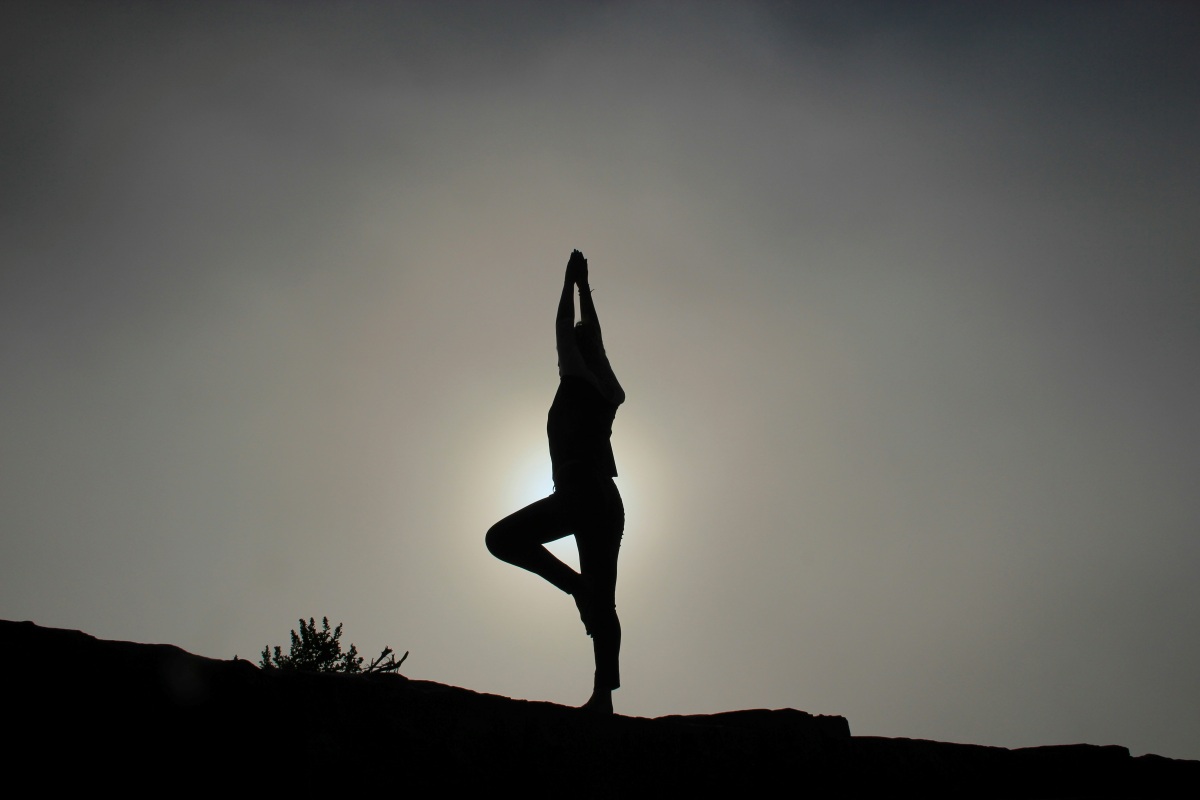
Yoga Teacher Training in Pokhara: Learn, Practice and Grow in the Himalayas
September 14, 2026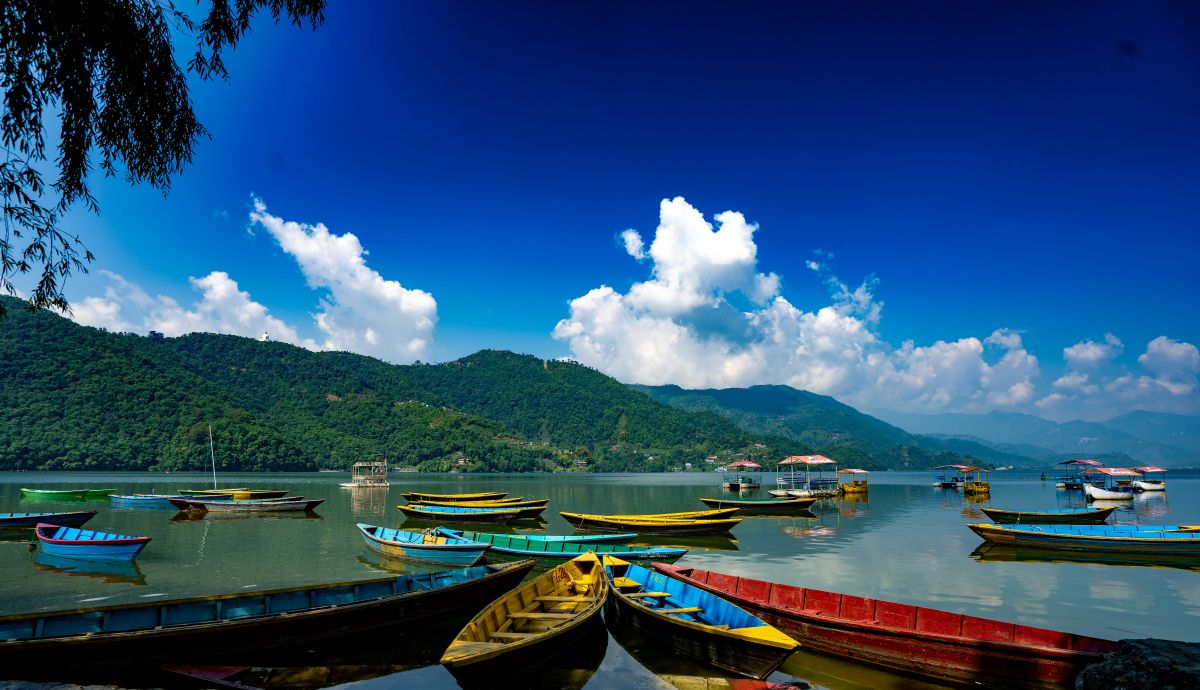
If you are searching for Yoga Teacher Training in Pokhara, you are likely looking for more than a place to learn yoga poses. A yoga teacher training program gives you the opportunity to deepen your personal practice, understand yoga philosophy, and develop the knowledge and teaching skills needed to guide others.
Pokhara is a popular destination for yoga teacher training because it combines a peaceful natural setting with opportunities for yoga, wellness, and cultural experiences. With Phewa Lake, green hills, fresh mountain air, and views toward the Himalayas, the city offers a calm environment for focused study, daily practice, and personal reflection.
For students looking for a structured program, Chandra Yoga Nepal in Lakeside, Pokhara, offers a 200-hour Yoga Teacher Training program covering Hatha and Ashtanga Vinyasa, pranayama, meditation, yoga philosophy, anatomy, yoga therapy, Sanskrit, and teaching methodology. The program helps students develop both their personal yoga practice and the practical skills needed to begin their teaching journey.
Whether you are an aspiring yoga teacher or simply want to understand yoga more deeply, studying in Pokhara lets you learn in an environment where nature, practice, and self-reflection come together. You can build your knowledge on the mat while experiencing the peaceful lifestyle and natural beauty that make Pokhara, Nepal, a popular destination for yoga and wellness experiences.
Overview: Yoga Teacher Training in Pokhara
Yoga teacher training in Pokhara is a structured program that combines yoga practice, theory, philosophy, anatomy, meditation, and teaching methodology. It is suitable for aspiring yoga teachers as well as practitioners who want to deepen their understanding of yoga.
Chandra Yoga Nepal offers a 200-hour Yoga Teacher Training program in Lakeside, Pokhara, covering Hatha and Ashtanga Vinyasa, pranayama, meditation, yoga philosophy, anatomy, yoga therapy, Sanskrit, and teaching methodology.
Why Choose Pokhara for Yoga Teacher Training?
Pokhara is well suited to yoga teacher training because it offers a combination of natural surroundings, a relaxed atmosphere, and access to wellness and cultural experiences.
Where you study yoga can strongly influence your overall experience.
Pokhara has a slower and more relaxed atmosphere than many busy cities. This makes it easier to create a daily routine around yoga, meditation, study, and self-reflection.
Imagine starting your morning with pranayama and meditation, practicing yoga in a peaceful setting, spending the afternoon learning anatomy or teaching methodology, and ending your day with philosophy or quiet reflection.
These conditions can make Pokhara a suitable environment for students who want to dedicate several weeks to yoga practice, study, and personal development.
1. A Peaceful Himalayan Environment
One of the biggest advantages of studying yoga in Pokhara is the natural environment.
The city is surrounded by hills and mountains, and the Annapurna region creates a beautiful backdrop for your yoga journey. The peaceful surroundings can make it easier to concentrate on your practice and step away from the usual distractions of daily life.
You can also use your free time to walk around Phewa Lake, explore local areas, enjoy nature, or simply rest.
2. Time to Focus on Yourself
A teacher training course can be intense. You are not only practicing physical postures but also studying philosophy, anatomy, breathing, meditation, and teaching.
Being in a peaceful destination like Pokhara gives you the opportunity to dedicate several weeks to your practice without constantly worrying about your normal routine.
It becomes a chance to pause, reflect, and reconnect with yourself.
3. A Strong Connection Between Nature and Practice
Yoga is not only about what happens on the mat.
For many students, being close to nature helps them connect more deeply with yoga’s principles. The mountains, lakes, forests, temples, and local culture of Pokhara provide plenty of opportunities to slow down and become more aware of your surroundings.
This can make the overall teacher training experience feel much more meaningful.
4. A Supportive Setting for Focused Learning
Yoga teacher training requires regular practice, study, and concentration. Unlike a short yoga class, a teacher training program usually involves several hours of learning each day. A calm environment can make it easier to maintain a consistent routine and stay focused on the course.
Pokhara also gives students a chance to experience a different daily pace. After classes, you can spend time around Phewa Lake, walk through the Lakeside area, explore nearby viewpoints, or simply rest and reflect on what you learned during the day.
5. Experience Yoga Beyond the Classroom
One advantage of completing yoga teacher training in Pokhara is that the learning experience can extend beyond scheduled classes. You can use your free time to explore the local environment, experience Nepali culture, and spend time in nature.
For students coming from busy urban environments, this change of surroundings can create space for reflection and help them focus on why they decided to study yoga in the first place. The combination of structured training and time for personal reflection can make the experience feel more immersive than attending occasional yoga classes at home.
What Do You Learn During Yoga Teacher Training in Pokhara?
A comprehensive yoga teacher training program combines practical yoga sessions with theoretical study and teaching practice. Instead of focusing only on physical postures, students learn how to understand, practice, explain, and safely guide different aspects of yoga.
A good yoga teacher training program should teach you much more than how to perform different asanas.
You should understand how yoga works, why particular practices are used, how to guide different students, and how to create a safe and meaningful class.
At Chandra Yoga Nepal, the 200-hour training covers several important areas of yoga education.
Asana and Alignment
You will study yoga postures, alignment, movement, and safe practice. The goal is not simply to perform an asana correctly, but to understand how the body moves and how a posture can be adapted for students with different abilities and needs.
Rather than simply copying a pose, you begin to understand how the body moves and how to modify a posture to meet different needs.
Pranayama
Breathing is an important part of traditional yoga practice.
Through pranayama, you learn different breathing techniques and explore how conscious breathing can support concentration, awareness, and meditation.
Meditation
Meditation helps you develop greater awareness and a calmer mind.
During teacher training, meditation becomes more than something you occasionally practice. It can become part of your daily routine and personal discipline.
Yoga Philosophy
Yoga has a rich philosophical tradition that goes far beyond physical exercise.
Studying yoga philosophy allows you to understand the ideas, principles, and traditions that have shaped yoga over centuries.
It can also encourage you to consider how these teachings apply to everyday life.
Anatomy and Physiology
Understanding the human body is essential to becoming a responsible yoga teacher.
You learn how muscles, bones, joints, movement, and basic biomechanics relate to yoga practice. This knowledge can help you understand movement more clearly, recognize when a posture may need modification, and give more responsible instructions during teaching.
Teaching Methodology
One of the biggest steps in teacher training is moving from being a yoga student to guiding other people.
Teaching methodology helps you learn how to plan classes, explain postures, give instructions, communicate clearly, and build confidence as a teacher.
You also get opportunities to practice teaching and receive feedback.
What Is a Typical Day Like?
A typical day during yoga teacher training in Pokhara combines morning yoga practice, pranayama, meditation, theory classes, teaching practice, and self-study. The exact schedule can vary depending on the training day, workshops, and course activities, but students generally follow a structured routine throughout the program.
A structured daily routine helps students experience different aspects of yoga rather than focusing only on physical practice. Morning sessions can help establish a consistent practice, while theory classes provide time to understand the principles behind what you are practicing.
Teaching practice is another important part of the day. Instead of only observing an instructor, students have opportunities to practice giving instructions, demonstrating postures, communicating with classmates, and receiving feedback.
The balance between practice, theory, teaching exercises, meals, rest, and self-study also gives students an idea of what a more disciplined yoga lifestyle can look like. Because the exact schedule can change depending on workshops, course activities, and the training day, students should confirm the current timetable with the school before joining.
A typical schedule may look like this:
| Time | Activity |
| 6:00 – 7:30 AM | Pranayama & Meditation |
| 7:45 – 9:30 AM | Asana Practice |
| 9:45 – 10:30 AM | Breakfast |
| 11:00 AM – 1:00 PM | Theory Sessions |
| 1:00 – 2:30 PM | Lunch & Rest |
| 3:00 – 5:00 PM | Teaching Practice |
| 5:30 – 7:00 PM | Philosophy Study |
The exact timetable may vary depending on the training day and course activities.
This structured routine lets you experience yoga throughout the day, rather than treating it as only a morning exercise.
Who Can Join Yoga Teacher Training in Pokhara?
You may think you need years of yoga experience or advanced flexibility before joining a teacher training.
You don’t.
A foundational yoga teacher training can be suitable for people with different levels of experience. What matters more is your willingness to learn, practice consistently, and stay open to new ideas.
You may consider joining if you are:
- An aspiring yoga teacher
- A regular yoga practitioner
- Interested in yoga philosophy and meditation
- Looking for personal growth
- A fitness or wellness professional
- Interested in developing a deeper yoga practice
- Considering a career change
- Simply curious about understanding yoga beyond physical poses
You also don’t need to be able to perform advanced poses.
Yoga teacher training is not a competition. You are there to learn, understand your body, develop awareness, and gradually build your skills.
Do You Need Previous Yoga Experience?
You do not necessarily need years of yoga experience to join a foundational teacher training program. However, your current level of practice can influence how comfortable you feel with the physical and theoretical parts of the course.
If you are new to yoga, you may spend more time becoming familiar with basic postures, breathing techniques, alignment, and terminology. Students with previous yoga experience may already be familiar with some of these concepts and can focus more on refining their practice and developing teaching skills.
Do You Need to Be Flexible?
No, advanced flexibility is not a requirement for becoming a yoga teacher. Yoga teacher training is about understanding practice, developing awareness, learning how to teach, and working with the body safely. Flexibility can improve through consistent practice, but it should not be the main measure of your ability as a student or teacher.
A good training environment should encourage students to work within their own abilities rather than comparing themselves with others. If you have an existing injury, medical condition, or physical limitation, it is also important to discuss your needs with the school and seek appropriate professional advice before participating in intensive physical practice.
How Long Is Yoga Teacher Training in Pokhara?
The duration of yoga teacher training in Pokhara depends on the school, course format, and number of training hours. A 200-hour program is commonly delivered as an immersive course over several weeks, combining practical sessions, theory classes, teaching practice, and self-study.
The number “200 hours” refers to the total training requirement, not just the hours spent practicing yoga postures. A comprehensive program can include asana practice, pranayama, meditation, anatomy, yoga philosophy, teaching methodology, and practical teaching sessions.
At Chandra Yoga Nepal, the 200-hour Yoga Teacher Training program is designed as an immersive training experience in Pokhara. Students follow a structured routine that combines practical and theoretical learning throughout the course.
Because course dates and schedules can change, check the current program schedule before making travel arrangements. This is particularly important for international students who need to plan flights, accommodation, and other travel arrangements around the training dates.
Yoga Teacher Training vs. Yoga Retreat: Which Is Right for You?
If you are planning to visit Pokhara for yoga, you may be wondering whether you should choose a yoga retreat or teacher training.
The answer depends on what you want from the experience.
A yoga retreat is generally a better choice if you want to relax, recharge, practice yoga, meditate, and take a break from your usual routine.
A yoga teacher training is more intensive. It is designed for people who want to study yoga in greater depth, develop teaching skills, or work toward becoming a yoga teacher.
If you want a deeper educational experience and are ready to dedicate several weeks to learning and practice, teacher training may be the better option.
| Yoga Teacher Training | Yoga Retreat | |
| Main purpose | Education and teacher development | Relaxation and wellness |
| Intensity | More intensive | Generally more flexible |
| Duration | Usually several weeks | Often shorter |
| Theory | Philosophy, anatomy, methodology | Usually less intensive |
| Teaching practice | Included in teacher training | Usually not included |
| Best for | Aspiring teachers and serious practitioners | People seeking rest and rejuvenation |
Why Choose Chandra Yoga Nepal?
Chandra Yoga Nepal is a yoga school in Lakeside, Pokhara, Nepal, offering yoga teacher training and yoga-related wellness experiences. Its 200-hour Yoga Teacher Training program combines practical yoga sessions with study of yoga philosophy, anatomy, pranayama, meditation, yoga therapy, Sanskrit, and teaching methodology.
The school’s location in Lakeside, Pokhara, gives students access to the city’s peaceful atmosphere and natural beauty.
Another important part of the experience is the learning environment. Chandra Yoga Nepal states that its training groups are limited to around 12–16 students, allowing students to receive more personal guidance during the course.
The school holds the designation of a Yoga Alliance Registered School (RYS 200), an important factor to consider when evaluating different teacher training programs.
Learn From Experienced Yoga Teachers
A teacher training program’s quality depends not only on its curriculum but also on the people delivering it. When choosing a yoga school, look at the instructors’ experience, teaching background, qualifications, and areas of expertise.
Chandra Yoga Nepal should provide up-to-date information about its instructors and their teaching experience, so prospective students can understand who will guide them through the training. Practical teaching sessions, instructor feedback, and opportunities to ask questions can also be important parts of developing confidence as a new teacher.
What Is Included in the Training?
The value of a teacher training program depends not only on the number of training hours but also on what the overall experience includes. Accommodation and meals can be especially important for students traveling to Pokhara from another city or country because they let students stay close to the training environment throughout the course.
Teaching practice and mentorship are also important inclusions to consider. Reading about how to teach yoga is different from actually standing in front of a group, giving instructions, observing students, and receiving feedback. Practical experience can help students become more comfortable with the responsibilities of teaching.
Before booking, check the current course package carefully. Confirm what type of accommodation is provided, how many meals are included, whether course materials are provided, what excursions are included, and whether any additional costs apply.
The current Chandra Yoga Nepal program includes:
- Yoga classes and practice sessions
- Theory and workshops
- Private or shared accommodation
- Vegetarian meals
- Course materials
- Teaching practice
- Weekend excursions
- Mentorship
- Wi-Fi and study spaces
- Graduation ceremony
- Graduate support
The school also provides local cultural immersion and opportunities to experience the surroundings of Pokhara.
How Much Does Yoga Teacher Training in Pokhara Cost?
When comparing the cost of yoga teacher training in Pokhara, compare the total package rather than only the advertised course fee. Two programs may have different prices because one includes accommodation, meals, study materials, excursions, mentorship, or other services while another charges separately for these items.
You should also consider the duration of the program, type of accommodation, number of meals, teaching hours, class size, instructor support, and certification when comparing different schools.
For international students, remember to budget separately for flights, travel insurance, visa-related costs where applicable, personal expenses, and activities outside the training package.
For the latest Chandra Yoga Nepal 200-hour Yoga Teacher Training price and inclusions, check the current course information before booking because fees and packages can change.
What Can You Do After Yoga Teacher Training?
Completing your teacher training is not the end of your yoga journey. In many ways, it is the beginning.
After completing your training, you can continue developing your skills through regular practice and teaching experience.
Depending on your goals and the requirements where you want to work, you may explore opportunities such as:
- Yoga studios
- Wellness centers
- Retreat centers
- Hotels and resorts
- Private yoga sessions
- Community programs
- Online yoga classes
- Yoga retreats
Some graduates continue with advanced teacher training or specialize in areas such as yoga therapy, meditation, prenatal yoga, or other fields.
The important thing is to keep learning.
A certificate shows you completed your training, but your confidence as a teacher develops through practice, experience, observation, and continued study.
What Is Life Like During Yoga Teacher Training in Pokhara?
One of the best things about choosing Pokhara is that your experience does not have to end when class finishes.
During your free time, you can explore the lakeside area, enjoy local food, walk beside Phewa Lake, visit cultural sites, or simply sit somewhere quiet and enjoy the mountain surroundings.
You may also meet students from different countries during your training.
Living and practicing together creates a sense of community. You share classes, challenges, meals, conversations, and experiences. For many students, these connections become one of the most memorable parts of their teacher training.
Balancing Study, Practice, and Free Time
Teacher training can be demanding, so maintaining a balance between scheduled classes and personal time is important. Your day may involve several hours of physical practice, theory, teaching exercises, and study. You will also need time to rest, eat well, prepare for classes, and reflect on what you have learned.
Living in Pokhara gives you opportunities to experience the city outside your training schedule. You can explore Lakeside, spend time around Phewa Lake, visit nearby cultural sites, or simply take a quiet walk after classes.
The social side of teacher training can also become an important part of the experience. Students often share meals, practice together, discuss what they have learned, and support one another during challenging parts of the course. For people traveling alone to Pokhara, this shared learning environment can help create a sense of community during the training.
What Should You Bring?
Your packing list may also depend on the season in which you attend the course. Pokhara can have different weather conditions throughout the year, so bringing layers can be more practical than relying only on either warm or light clothing.
If the school provides accommodation and yoga equipment, you may not need to bring large or specialized equipment. However, confirm whether the school provides a yoga mat, towels, bedding, or other personal items before traveling.
If you are traveling internationally, also keep your important travel documents, identification, insurance information, and course confirmation details easily accessible.
Some useful things to bring include:
- Comfortable yoga clothes
- Light and warm clothing
- A reusable water bottle
- Personal toiletries
- Comfortable walking shoes
- A notebook or journal
- Personal medication if required
- A small day bag
- An open and positive mindset
The weather in Pokhara can change with the season, so it is a good idea to check the forecast before you travel.
Is Yoga Teacher Training in Pokhara Worth It?
Yoga teacher training in Pokhara can be a worthwhile choice if you want to combine structured yoga education with a peaceful environment, cultural experiences, and time for personal practice. Whether it is right for you depends on your goals, budget, preferred learning style, and commitment to an intensive training schedule.
Unlike attending occasional yoga classes, teacher training gives you an opportunity to study yoga consistently over several weeks. You can develop your physical practice while also learning about philosophy, anatomy, pranayama, meditation, and teaching methodology.
The experience may be particularly suitable if you want to become a yoga teacher, deepen your personal practice, or spend dedicated time studying yoga in Nepal.
Start Your Yoga Journey in Pokhara
Yoga teacher training is a commitment, but it can also be one of the most rewarding experiences you give yourself.
In Pokhara, you’ll learn in an environment where nature, culture, and yoga come together. You can deepen your personal practice, learn the traditional and practical sides of yoga, develop teaching skills, and meet people who share your interest.
If you are ready to take your yoga practice beyond the mat, Chandra Yoga Nepal’s 200-hour Yoga Teacher Training in Pokhara offers an immersive Himalayan experience designed to help you learn, practice, and grow.
Sometimes, the best way to discover a new path is to slow down first.
And Pokhara is a beautiful place to begin.
Frequently Asked Questions About Yoga Teacher Training in Pokhara
How long is yoga teacher training in Pokhara?
The duration depends on the school and program. Chandra Yoga Nepal currently offers an immersive 200-hour program in Pokhara that runs for approximately four weeks.
Do I need previous yoga experience?
You do not necessarily need advanced yoga experience to join a foundational teacher training. A genuine interest in yoga, a willingness to learn, and a commitment to regular practice matter more.
Do I need to be flexible to become a yoga teacher?
No. Flexibility isn’t required to become a good yoga teacher. Understanding movement, learning safe practices, communicating clearly, and building awareness matter more.
Where is Chandra Yoga Nepal located?
Chandra Yoga Nepal is located in Lakeside, Pokhara, Nepal.
What styles of yoga are taught?
The training includes traditional Hatha and Ashtanga Vinyasa practices along with pranayama, meditation, philosophy, anatomy, yoga therapy, Sanskrit, and teaching methodology.
Is accommodation included?
Yes. The current training package includes private or shared accommodation with an attached bathroom.
Are meals included in the training?
Yes. The current package includes three vegetarian meals each day.
Can I become a yoga teacher after completing the course?
A foundational 200-hour training can provide the education and practical foundation to begin your teaching journey. Your ability to teach professionally will also depend on your experience and any requirements applicable in the location where you plan to teach.
Why is Pokhara good for yoga teacher training?
Pokhara offers peaceful surroundings, Himalayan scenery, nature, cultural experiences, and a relaxed atmosphere. These qualities can create a supportive environment for focused yoga practice and personal reflection.