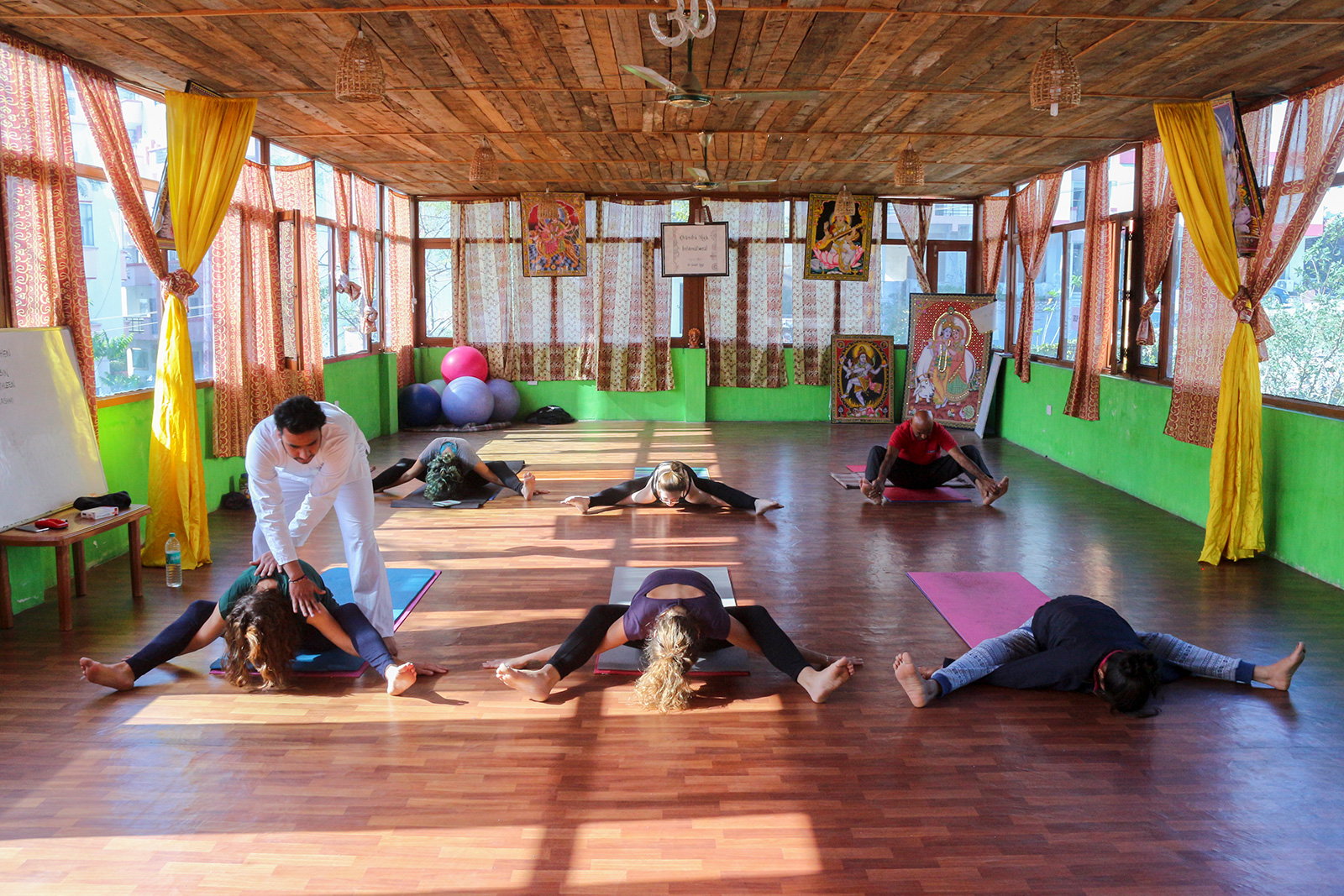
200-Hour vs 300-Hour Yoga Teacher Training: Which One Should You Choose?
November 20, 2026
Choosing between a 200-hour vs. 300-hour Yoga Teacher Training (YTT) program is an important decision if you want to become a yoga teacher or deepen your personal practice. Although both programs build your understanding of yoga, they serve different stages of your learning journey.
A 200-hour Yoga Teacher Training is a foundational course for beginners and aspiring yoga teachers, whereas a 300-hour Yoga Teacher Training is an advanced program for those who have already completed their 200-hour certification. The main differences include the depth of learning, teaching experience, curriculum, and professional development opportunities.
If you are considering yoga teacher training in Nepal, understanding these differences can help you choose a program that matches your experience and future goals. In this guide, we will compare both courses, explore their curriculum, discuss their benefits, and help you decide which training is right for you.
What Is a 200-Hour Yoga Teacher Training?
A 200-hour Yoga Teacher Training (200-Hour YTT) is a foundational program that introduces students to the essential principles, techniques, and philosophy of yoga. It is generally the first step for individuals who want to become professional yoga teachers or develop a deeper understanding of traditional yoga practices.
You do not necessarily need professional teaching experience or an advanced yoga practice to join this course. However, having an interest in yoga, a willingness to learn, and the commitment to follow a structured training schedule will help you get the most out of the experience.
Throughout the training, you explore yoga postures, breathing techniques, meditation, anatomy, philosophy, and teaching methodology. The main goal is to build a strong foundation and develop the confidence needed to guide others through yoga practice.
What Will You Learn in a 200-Hour YTT?
A standard 200-hour yoga teacher training program covers several important areas of yoga education.
Asana Practice and Alignment
You learn foundational yoga postures, correct body alignment, modifications, and techniques for practising safely. You also understand how different postures affect the body and how to perform them with proper awareness.
Pranayama and Breathing Techniques
Pranayama introduces you to traditional yogic breathing practices. You learn different breathing techniques and understand their relationship with concentration, relaxation, and mental awareness.
Meditation and Mindfulness
You explore meditation techniques that help develop focus, self-awareness, and mental balance. Regular meditation also encourages you to build a consistent personal practice.
Yoga Philosophy
You study the traditional foundations of yoga, including the Yoga Sutras of Patanjali, the eight limbs of yoga, and the principles of yogic living.
Anatomy and Physiology
You learn about the human body’s muscular and skeletal systems, movement, posture, and the importance of safe yoga practice.
Teaching Methodology
You develop basic teaching skills, including demonstrating postures, giving instructions, communicating with students, and planning a structured yoga class.
Practical Teaching Experience
You get opportunities to practise teaching, receive feedback, and gradually develop confidence in guiding other students.
Who Should Join a 200-Hour Yoga Teacher Training?
A 200-hour program is suitable for people who want to establish a strong foundation in yoga. It is not limited to individuals planning to become professional instructors. Many students also join to improve their personal practice, understand traditional yoga philosophy, or experience a more disciplined lifestyle.
You can consider joining a 200-hour YTT if you are:
- A beginner who wants to understand yoga beyond regular studio classes.
- A yoga practitioner interested in developing a deeper personal practice.
- Someone planning to become a professional yoga teacher.
- A traveller looking for an immersive yoga learning experience.
- Interested in meditation, mindfulness, and traditional yogic philosophy.
- A fitness or wellness professional looking to expand your knowledge.
You do not need to master advanced postures before joining. The purpose of foundational training is to help you develop your knowledge and skills gradually.
What Is a 300-Hour Yoga Teacher Training?
A 300-hour Yoga Teacher Training (300-Hour YTT) is an advanced-level program designed for individuals who have already completed a recognised 200-hour yoga teacher training course. Unlike the foundational program, which introduces the essential aspects of yoga, the 300-hour course focuses on expanding existing knowledge and developing more advanced teaching abilities.
This training allows yoga teachers to explore complex concepts, refine their personal practice, and gain a deeper understanding of different yoga techniques. It also provides opportunities to improve class sequencing, student observation, teaching communication, and practical application of yoga philosophy.
The curriculum generally includes advanced asana practice, detailed anatomy, advanced pranayama, meditation, yoga philosophy, and specialised teaching methods. The exact subjects depend on the school’s training structure. If you have already completed your 200-hour certification and want to continue your professional development, a 300-hour program can be a valuable next step.
What Will You Learn in a 300-Hour YTT?
Although the curriculum varies between yoga schools, advanced teacher training commonly includes the following subjects.
- Advanced Asana and Alignment
You explore more challenging postures, advanced variations, alignment principles, and techniques for helping students progress safely according to their individual abilities.
- Advanced Pranayama
You develop a deeper understanding of traditional breathing practices, their application, and the relationship between breath, concentration, and meditation.
- Advanced Anatomy and Physiology
You study body mechanics, biomechanics, muscular engagement, joint movement, and how to adapt yoga practices to different physical needs.
- Advanced Yoga Philosophy
You explore traditional yogic texts and concepts in greater depth, developing a stronger understanding of yoga beyond physical practice.
- Advanced Teaching Methodology
You improve your ability to plan classes, create meaningful sequences, observe students, provide appropriate modifications, and communicate effectively.
- Meditation and Inner Practices
You explore more advanced meditation techniques and develop a deeper understanding of mindfulness and self-awareness.
- Specialised Yoga Practices
Depending on the school, the curriculum may include restorative yoga, therapeutic applications, advanced sequencing, and other specialised areas of yoga.
Who Should Join a 300-Hour Yoga Teacher Training?
A 300-hour course is generally suitable for people who already have foundational yoga teaching knowledge and want to take their learning further. It is particularly useful for instructors who want to improve their teaching approach, explore advanced practices, and develop a more comprehensive understanding of yoga.
You can consider joining a 300-hour YTT if you are:
- A yoga teacher who has completed a 200-hour YTT.
- A certified instructor interested in improving teaching skills.
- A practitioner interested in advanced yoga philosophy and techniques.
- A teacher who wants to develop a specialised teaching approach.
- A yoga professional seeking further education and professional development.
If you have not completed your foundational 200-hour training, a 300-hour advanced program may not be the appropriate starting point. Always check the school’s entry requirements before enrolling.
200-Hour vs. 300-Hour Yoga Teacher Training: Key Differences
Both programs aim to develop your understanding of yoga, but they differ in their learning objectives, eligibility requirements, and depth of study. A 200-hour course focuses on introducing the fundamental aspects of yoga and developing the basic skills needed to begin teaching. A 300-hour course builds on that foundation and provides more advanced knowledge and practical experience.
Understanding these differences is important before selecting a program. You should consider your current experience, teaching goals, and the type of knowledge you want to develop. The following comparison highlights the major differences between the two training programs and makes it easier to identify which course is suitable for your current stage of learning.
Comparison Between 200-Hour and 300-Hour YTT
| Comparison | 200-Hour YTT | 300-Hour YTT |
| Training level | Foundational | Advanced |
| Main purpose | Build basic yoga knowledge and teaching skills | Deepen knowledge and refine teaching skills |
| Eligibility | Suitable for aspiring teachers and practitioners | Usually requires prior 200-hour training |
| Experience | Professional teaching experience generally not required | Previous foundational teacher training required |
| Asana | Foundational postures and alignment | Advanced variations and deeper alignment |
| Anatomy | Basic anatomy and physiology | More detailed anatomy and biomechanics |
| Philosophy | Introduction to yogic philosophy | Deeper exploration of yogic concepts |
| Teaching skills | Learn how to conduct a yoga class | Refine sequencing and teaching methods |
| Learning focus | Developing a strong foundation | Expanding existing knowledge |
| Career pathway | Entry-level yoga teaching qualification | Advanced professional development |
The main difference: A 200-hour YTT teaches you the fundamentals of yoga and how to begin teaching, whereas a 300-hour YTT helps you build on that foundation and become a more knowledgeable and confident instructor.
Curriculum Comparison: What Makes Each Training Different?
The curriculum is one of the most important factors to consider when comparing 200-hour and 300-hour yoga teacher training programs. Although both courses cover traditional yoga practices, the depth of learning and practical application are different. A foundational course introduces you to the essential subjects, while advanced training explores those subjects in greater detail.
Understanding the curriculum will help you identify what you can expect from each program and whether it matches your learning goals. From asana practice and anatomy to philosophy and teaching methodology, both programs contribute to your development as a yoga practitioner. However, the advanced course generally expects you to apply your existing knowledge rather than simply learn the basics again.
1. Asana and Physical Practice
In a 200-hour program, you focus on understanding foundational yoga postures, alignment, body awareness, and safe movement. You learn how to perform postures correctly and understand their benefits and limitations.
In a 300-hour program, the focus moves towards more advanced variations, refined alignment, intelligent sequencing, and adapting postures for different levels of practitioners.
2. Yoga Anatomy
Anatomy is an important part of both training programs because understanding the human body helps teachers guide students more safely.
A 200-hour course introduces you to basic anatomy, muscular functions, skeletal structures, and the relationship between movement and posture.
A 300-hour course explores these concepts in greater detail. You develop a deeper understanding of biomechanics, movement patterns, joint functions, and safe modifications.
3. Yoga Philosophy
A 200-hour YTT introduces the traditional philosophy of yoga and its importance in everyday life.
You may study:
- The eight limbs of yoga.
- The Yoga Sutras of Patanjali.
- The foundations of yogic living.
- Mindfulness and self-discipline.
- The relationship between body, mind, and breath.
In a 300-hour program, these subjects are explored more deeply. You may study philosophical concepts, traditional texts, and their practical application in teaching and daily life.
4. Teaching Methodology
Teaching methodology is another area where the two programs differ.
The 200-hour course helps you understand how to conduct a yoga class, demonstrate postures, communicate with students, and develop a basic sequence.
The 300-hour course focuses more on refining these skills. You learn to observe students more effectively, adapt classes to different needs, improve sequencing, and develop your own teaching style.
Can You Complete a 200-Hour and 300-Hour YTT to Become a 500-Hour Yoga Teacher?
Yes. Completing a qualifying 200-hour foundational training followed by a qualifying 300-hour advanced training is a recognised pathway towards fulfilling the 500-hour yoga teacher training requirement under the Yoga Alliance registration system. Many yoga teachers follow this progression to continue their education and improve their professional knowledge.
However, it is important to understand that completing 500 training hours and receiving the RYT 500 credential are not automatically the same thing. Yoga Alliance has specific requirements related to training programs, school registration, and teaching experience. You should verify the eligibility of both programs before enrolling if your goal is to obtain an RYT 500 credential.
Here is how the general training pathway works:
Step 1: Complete a 200-Hour YTT
Start with a foundational program that covers asana, pranayama, meditation, anatomy, yoga philosophy, and teaching methodology. This helps you develop the essential knowledge required to begin teaching yoga.
Step 2: Gain Teaching Experience
After completing your foundational training, practise teaching and work with different students. This will help you understand how to apply your learning in real teaching situations.
Step 3: Complete a 300-Hour YTT
Continue your education through an advanced training program that builds on your previous 200-hour qualification. Focus on improving your teaching skills and exploring advanced yoga concepts.
Step 4: Explore the RYT 500 Pathway
After completing the required training and teaching experience, you may be eligible to apply for Yoga Alliance RYT 500 registration, provided you meet the applicable requirements.
Is a 200-Hour Yoga Teacher Training Enough to Become a Yoga Teacher?
Yes. A qualifying 200-hour Yoga Teacher Training is the standard foundational pathway for individuals who want to begin their journey as yoga instructors. You do not necessarily need to complete an additional 300-hour course before exploring teaching opportunities. The foundational program provides the knowledge and practical skills you need to start teaching, though your confidence and teaching abilities will keep developing through experience.
After completing your training, you can explore opportunities in different wellness and fitness environments. The most important thing is to keep practising, understand your students’ needs, and continue improving your teaching approach. A 300-hour course can be a valuable option later in your career, but it is not compulsory for everyone who wants to begin teaching yoga.
Where Can You Teach After Completing a 200-Hour YTT?
After successfully completing a qualifying 200-hour program, you can explore teaching opportunities at:
- Yoga studios and wellness centres.
- Fitness and health clubs.
- Yoga retreats and wellness resorts.
- Private yoga classes.
- Online yoga platforms.
- Community yoga programs.
Remember that completing a training program does not automatically make you an experienced teacher. Your ability to teach effectively develops through regular practice, continued education, and experience working with students.
200-Hour vs. 300-Hour Yoga Teacher Training in Nepal
Nepal is an appealing destination for yoga teacher training because of its traditional spiritual heritage, Himalayan landscapes, and opportunities to experience yoga in a peaceful environment. For international students, studying yoga in Nepal can offer more than classroom education. It offers a chance to experience traditional practices, explore local culture, and build a disciplined lifestyle away from everyday distractions.
When comparing 200-hour and 300-hour yoga teacher training in Nepal, you should look beyond the course duration and advertised price. Consider the school’s teaching experience, curriculum, practical sessions, accommodation, and certification. The learning environment also matters because an immersive training experience can influence your overall journey. Whether you are joining your first foundational program or considering advanced training, choosing the right school is essential for making your investment worthwhile.
1. Course Curriculum
Choose a program that provides a clear curriculum covering asana, pranayama, meditation, anatomy, philosophy, and teaching methodology.
For advanced training, check whether the curriculum builds on your previous knowledge instead of simply repeating foundational lessons.
2. Yoga School and Teacher Experience
Research the school’s teaching background, trainer qualifications, curriculum, and student feedback.
If you want to follow a Yoga Alliance pathway, verify the school’s current registration and the specific program designation directly through Yoga Alliance.
3. Location and Learning Environment
Your surroundings can influence your overall training experience. Nepal offers several popular destinations for yoga education, including Pokhara and Kathmandu.
Pokhara is particularly appealing to students who prefer a peaceful learning environment surrounded by natural landscapes.
4. Practical Teaching Opportunities
A good yoga teacher training program should include practical teaching sessions.
You should have opportunities to demonstrate postures, guide sessions, receive feedback, and improve your communication skills.
5. Accommodation and Course Inclusions
Before enrolling, understand what is included in the course fee.
Check whether the program provides:
- Daily meals.
- Study materials.
- Yoga equipment.
- Practical classes.
- Course certification.
- Additional workshops or activities.
Comparing these details will help you understand the overall value of the program rather than focusing only on the advertised price.
Why Choose Pokhara for Your Yoga Teacher Training?
Pokhara is one of Nepal’s most attractive destinations for yoga and wellness education. Located near the beautiful Annapurna mountain range, the city is known for its peaceful lakes, natural landscapes, and welcoming atmosphere. These surroundings make it an appealing place for students who want to focus on yoga, meditation, and personal development.
Unlike a busy urban environment, Pokhara offers opportunities to slow down, connect with nature, and develop a more mindful daily routine. For international students, joining a yoga teacher training course in Pokhara also provides an opportunity to experience Nepali culture and hospitality. You can combine structured learning with time for personal reflection and local exploration, making your training experience both educational and memorable.
What Makes Pokhara a Good Destination for Yoga?
Some reasons students choose Pokhara for yoga teacher training include:
- Peaceful environment: A suitable atmosphere for yoga practice, meditation, and self-reflection.
- Himalayan surroundings: Beautiful views of the Annapurna mountain range.
- Natural beauty: Access to Phewa Lake, green hills, and scenic landscapes.
- Cultural experience: Opportunities to explore traditional Nepali culture and hospitality.
- International community: A welcoming destination for students travelling from different countries.
- Balanced lifestyle: Opportunities to combine structured learning with nature walks and local exploration.
For students travelling from abroad, yoga teacher training in Pokhara can be an opportunity to experience Nepal beyond its popular trekking destinations.
Start Your Yoga Journey with Chandra Yoga Nepal
If you are planning to begin your yoga teacher training journey, Chandra Yoga Nepal offers an immersive 200-hour Yoga Teacher Training experience in Lakeside, Pokhara. Our program is designed to help students develop a strong understanding of traditional yoga practices while building the knowledge and practical skills needed to become confident practitioners and aspiring teachers.
The 28-day training experience combines Hatha Yoga and Ashtanga Vinyasa with important aspects of traditional yoga education. You will explore asana practice, pranayama, meditation, yoga philosophy, anatomy, and teaching methodology in a structured learning environment. Whether your goal is to become a yoga teacher or deepen your personal practice, our training provides an opportunity to learn, practise, and grow while experiencing the peaceful surroundings of Pokhara.
What Will You Experience at Chandra Yoga Nepal?
Our 200-hour Yoga Teacher Training focuses on developing your understanding of yoga through a combination of practical sessions and theoretical learning.
Hatha Yoga and Ashtanga Vinyasa
Explore traditional Hatha Yoga and dynamic Ashtanga Vinyasa practices while developing a better understanding of postures, alignment, and movement.
Pranayama and Meditation
Learn traditional breathing techniques and meditation practices that help develop concentration, mindfulness, and self-awareness.
Yoga Philosophy
Understand the traditional principles of yoga and explore how yogic teachings can be applied to everyday life.
Anatomy and Physiology
Develop an understanding of the human body, movement, posture, and safe yoga practice.
Teaching Methodology
Build the essential skills needed to guide yoga sessions, communicate with students, and develop confidence as an aspiring instructor.
Why Begin Your Training in Pokhara?
Chandra Yoga Nepal is located in Lakeside, Pokhara, providing students with an opportunity to study yoga in a peaceful setting surrounded by Nepal’s natural beauty.
Our 28-day residential training experience includes accommodation with attached bathroom facilities, vegetarian meals, structured yoga classes, and opportunities to explore the local surroundings.
The combination of traditional yoga learning, practical sessions, and an immersive environment makes it a meaningful starting point for anyone interested in developing their yoga practice.
Ready to begin your yoga journey?
Explore our 200-Hour Yoga Teacher Training in Pokhara and contact Chandra Yoga Nepal to learn more about course dates, availability, fees, and accommodation.
How to Choose Between a 200-Hour and 300-Hour YTT?
Choosing the right yoga teacher training program depends on your current experience, personal interests, and long-term goals. Before enrolling, think about what you want to achieve through the training. Are you looking to understand the fundamentals of yoga, become a teacher, or improve the skills you have already developed? Your answer will help you identify the most suitable program.
It is also important to consider the school’s curriculum, practical teaching opportunities, trainer experience, and overall learning environment. Do not select a course simply because it has more training hours. A program that matches your current knowledge and provides meaningful learning opportunities will offer greater value to your yoga journey.
Choose a 200-Hour YTT If:
- You are new to professional yoga training.
- You want to understand the foundations of yoga.
- You want to become a yoga teacher.
- You want to develop your personal practice.
- You want to learn traditional yoga philosophy and techniques.
- You want to experience an immersive yoga training program in Nepal.
Choose a 300-Hour YTT If:
- You have already completed a 200-hour YTT.
- You want to advance your teaching knowledge.
- You want to explore more complex yoga practices.
- You want to refine your teaching methodology.
- You want to develop a specialized teaching approach.
- You want to continue towards the 500-hour training pathway.
Remember that the best course is not necessarily the one with more training hours. It is the one that matches your current level and provides the education, practical experience, and guidance you need.
Frequently Asked Questions (FAQs)
1. What is the main difference between 200-hour and 300-hour yoga teacher training?
A 200-hour YTT is a foundational program that introduces students to yoga techniques, anatomy, philosophy, meditation, and teaching methodology. A 300-hour YTT is an advanced program that builds on the knowledge gained through the initial 200-hour training.
2. Can beginners join a 200-hour yoga teacher training?
Yes. Beginners with a genuine interest in yoga can join a 200-hour program. You don’t need to be an advanced practitioner, but you should be prepared for regular physical practice, theory lessons, and a disciplined learning schedule.
3. Can I join a 300-hour yoga teacher training without a 200-hour certificate?
Generally, no. Under the standard Yoga Alliance pathway, a 300-hour advanced program follows a 200-hour foundational training. Schools may have specific entry requirements, so check these before applying.
4. Is a 300-hour yoga teacher training better than a 200-hour course?
Neither course is universally better. A 200-hour program is the right starting point for beginners and aspiring teachers. In contrast, a 300-hour program is more suitable for people who have already completed foundational training and want to advance their skills.
5. Does 200 hours plus 300 hours equal 500-hour yoga teacher training?
Yes. Completing a qualifying 200-hour program and a separate qualifying 300-hour advanced program can fulfill the 500-hour training requirement under the applicable Yoga Alliance pathway. Additional teaching experience and registration requirements apply.
Final Thoughts: Start with the Right Yoga Teacher Training
Choosing between a 200-hour and a 300-hour Yoga Teacher Training depends on where you are in your yoga journey. Both programs offer valuable learning experiences, but they serve different purposes.
If you are beginning your journey, a 200-hour course gives you the essential knowledge, practical experience, and foundation needed to understand and teach yoga. If you have already completed your foundational training, a 300-hour course allows you to explore advanced concepts, improve your teaching approach, and continue your professional development.
You do not need to rush into advanced training. Focus on learning the fundamentals, developing a consistent practice, and understanding yoga beyond physical postures.
If you are ready to take your first step, explore the 200-Hour Yoga Teacher Training at Chandra Yoga Nepal in Pokhara and experience traditional yoga learning in the peaceful surroundings of the Himalayas.
Your yoga journey begins with the right foundation.