Yoga Retreat in Nepal: Discover Inner Peace in the Heart of the Himalayas
November 27, 2026
Imagine waking up to the peaceful sounds of nature, watching the first sunlight touch the Himalayan mountains, and beginning your morning with yoga and meditation in a serene natural environment. This is what makes a yoga retreat in Nepal a truly special experience.
Nepal is more than a destination for mountain adventures. It is a country deeply connected with spirituality, ancient traditions, mindfulness, and self-discovery. From the peaceful surroundings of Pokhara to the sacred temples and monasteries of Kathmandu, Nepal offers an inspiring environment for anyone looking to reconnect with their body, mind, and inner self.
Whether you are a beginner exploring yoga for the first time, an experienced practitioner looking to deepen your practice, or a traveller searching for a meaningful wellness holiday, a Nepal yoga retreat can offer a refreshing change from everyday life.
In this guide, we will explore why Nepal is an excellent destination for a yoga retreat, the best places to experience yoga, what to expect during your stay, and how to choose the right retreat for your journey.
Why Choose Nepal for a Yoga Retreat?
Nepal holds a unique place in the spiritual history of South Asia. It is the birthplace of Gautama Buddha and home to centuries-old Hindu and Buddhist traditions. Spirituality remains visible in everyday life, from morning prayers and temple rituals to meditation practices in monasteries.
This cultural and natural environment makes Nepal an appealing destination for people interested in yoga, meditation, and mindful living.
Here are some reasons why travellers choose Nepal for their yoga journey.
1. A Deep Connection with Spiritual Traditions
Yoga is much more than physical exercise. Traditional yoga explores the relationship between the body, breath, mind, and consciousness.
Nepal provides opportunities to experience this broader perspective through its spiritual heritage. Visitors can explore ancient temples, Buddhist monasteries, meditation centres, and traditional communities while learning about the philosophies that have influenced yoga and mindfulness practices.
The peaceful atmosphere of these places can encourage self-reflection and a deeper understanding of spiritual traditions.
2. The Natural Beauty of the Himalayas
One of the most remarkable aspects of practising yoga in Nepal is the surrounding natural landscape.
The country is home to the Himalayan mountain range, beautiful valleys, peaceful lakes, green hills, and forests. These natural environments offer a welcome escape from busy urban lifestyles.
Imagine practising morning yoga while enjoying views of the Annapurna mountain range or spending a quiet evening meditating near a peaceful lake.
Such surroundings can make your yoga experience more memorable and encourage a stronger connection with nature.
3. A Peaceful Environment for Yoga and Meditation
Modern lifestyles often involve demanding work schedules, constant digital communication, and limited opportunities for relaxation.
A yoga retreat provides an opportunity to step away from these distractions and dedicate time to personal well-being.
Nepal offers several destinations where visitors can enjoy quieter surroundings, practise meditation, and establish a more mindful daily routine.
Whether you prefer a lakeside environment, a peaceful mountain location, or a traditional spiritual setting, you can find different experiences across the country.
4. Traditional Yoga Practices and Experienced Teachers
Nepal has a long-standing connection with traditional yogic philosophy and spiritual learning.
Travellers can explore different yoga styles, including Hatha Yoga, Ashtanga Yoga, Vinyasa Yoga, pranayama, and meditation.
Learning from experienced teachers can help you understand the purpose behind each practice rather than simply focusing on physical postures.
For those interested in developing a deeper understanding of yoga, Nepal also offers opportunities to explore yoga philosophy, anatomy, breathing techniques, and traditional yogic lifestyles.
Best Places for a Yoga Retreat in Nepal
Nepal offers several destinations for yoga and meditation retreats. Each location provides a different atmosphere and experience.
Here are some of the most popular places to consider.
1. Pokhara – A Beautiful Destination for a Himalayan Yoga Retreat
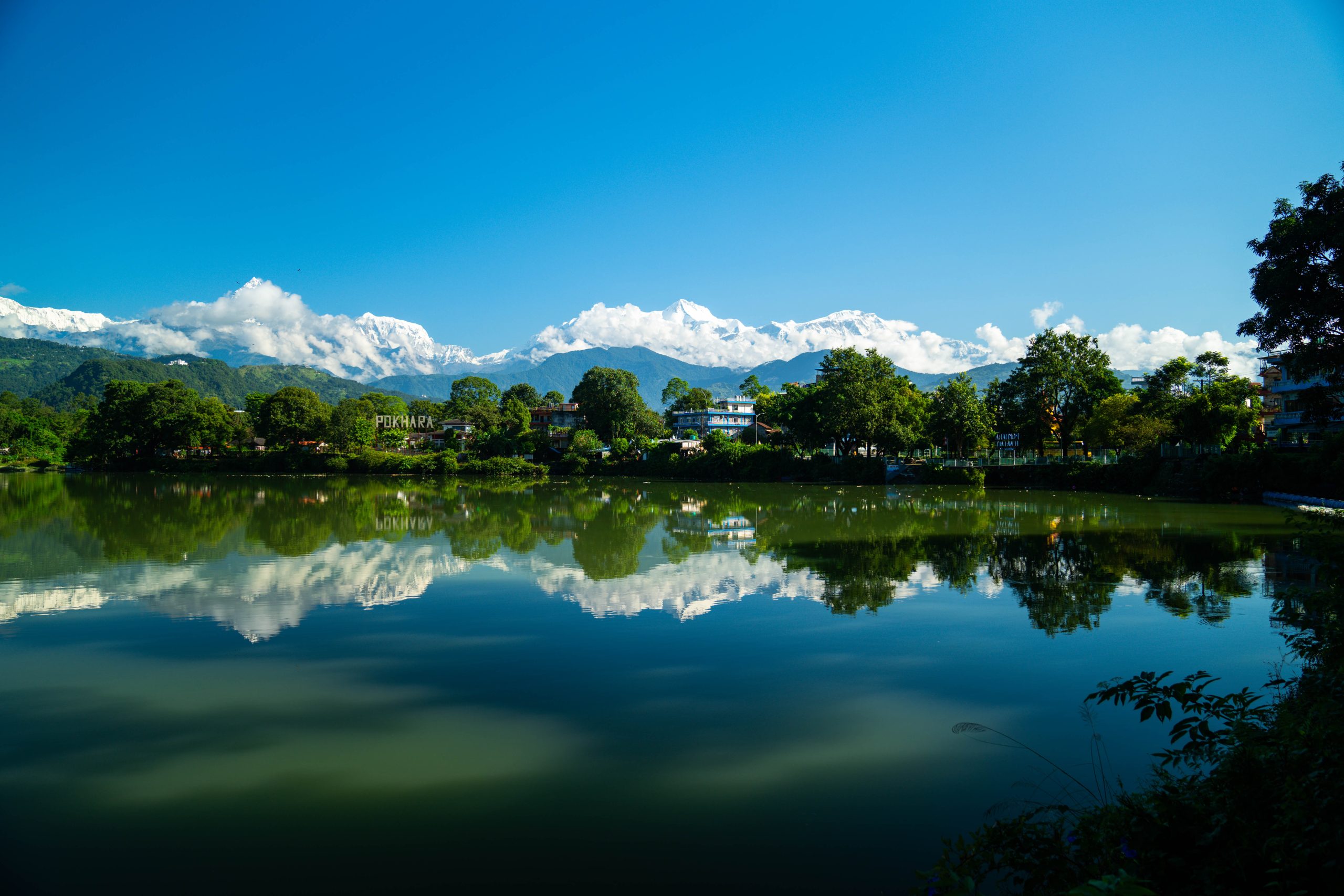
Pokhara is one of the most attractive destinations for a yoga retreat in Nepal. Surrounded by hills, lakes, and the magnificent Annapurna mountain range, the city offers a peaceful atmosphere for yoga and meditation.
<Insert Image: Morning yoga practice overlooking the Himalayan mountains in Pokhara>
The beautiful Phewa Lake, green landscapes, and views of Machhapuchhre (Fishtail Mountain) make Pokhara especially appealing to wellness travellers.
Unlike the busy environment of larger cities, Pokhara offers plenty of opportunities to slow down and enjoy nature.
During a yoga retreat in Pokhara, visitors can combine their daily practice with:
- Morning yoga and meditation sessions.
- Pranayama and breathing exercises.
- Peaceful walks around Phewa Lake.
- Exploring local temples and cultural sites.
- Enjoying the natural beauty of the Annapurna region.
- Spending time in peaceful cafés and natural surroundings.
Pokhara is particularly suitable for people who want to combine yoga, nature, relaxation, and cultural exploration.
For travellers looking for a meaningful experience in this beautiful Himalayan city, Chandra Yoga Nepal offers a traditional yoga learning environment in Lakeside, Pokhara.
You can also explore our dedicated page about a Yoga Retreat in Pokhara to learn more about the experience.
2. Kathmandu – Experience Spirituality and Ancient Culture
Kathmandu, the capital of Nepal, is an excellent destination for travellers interested in spiritual traditions and cultural exploration.
The Kathmandu Valley is home to important Hindu temples, Buddhist stupas, monasteries, and historical heritage sites.
Some notable places include:
- Pashupatinath Temple – One of the most important Hindu temples dedicated to Lord Shiva.
- Boudhanath Stupa – A major centre of Tibetan Buddhist culture and pilgrimage.
- Swayambhunath Stupa – A historic Buddhist site overlooking Kathmandu Valley.
- Kopan Monastery – Known for Buddhist teachings and meditation programmes.
Visitors can explore these spiritual destinations while participating in yoga, meditation, and mindfulness activities.
Kathmandu is a suitable option for travellers who want to combine their yoga experience with Nepal’s religious and cultural heritage.
3. Lumbini – A Peaceful Destination for Meditation
Lumbini is internationally recognised as the birthplace of Gautama Buddha.
Located in the Terai region of Nepal, this UNESCO World Heritage Site attracts pilgrims, spiritual seekers, and travellers from around the world.
The peaceful monastery areas, sacred gardens, and historical sites create an environment that encourages contemplation and reflection.
Lumbini is particularly interesting for visitors who want to explore Buddhist philosophy, mindfulness, and meditation alongside their wider journey through Nepal.
4. Nagarkot – Yoga with Mountain Views
Nagarkot is a beautiful hill destination located near Kathmandu.
Known for its Himalayan panoramas and sunrise views, it provides an opportunity to escape the busy atmosphere of the city.
The natural surroundings, fresh mountain scenery, and peaceful environment make Nagarkot an attractive location for short wellness breaks and meditation experiences.
It is especially suitable for travellers who want to spend a few days surrounded by nature without travelling too far from Kathmandu.
What to Expect During a Yoga Retreat in Nepal
A yoga retreat is not simply a holiday with a few yoga classes. It is an opportunity to create a more mindful routine and dedicate time to physical practice, breathing, relaxation, and self-reflection.
Although every retreat has its own programme, many yoga retreats in Nepal include the following activities.
1. Morning Yoga Practice
Most yoga retreats begin the day with morning yoga.
Depending on the programme, sessions may include Hatha Yoga, Vinyasa Flow, or traditional asana practice.
Morning practice helps participants develop flexibility, balance, body awareness, and a consistent yoga routine.
Beginners can learn foundational postures, while experienced practitioners can explore more advanced techniques under appropriate guidance.
2. Pranayama and Breathing Exercises
Pranayama refers to traditional yogic breathing practices.
These techniques involve developing awareness and control of breathing through guided exercises.
Common pranayama practices include:
- Anulom Vilom (alternate nostril breathing).
- Bhramari (humming bee breathing).
- Nadi Shodhana (alternate nostril purification).
- Ujjayi breathing.
These practices are often incorporated into yoga programs to develop breath awareness and support concentration.
Participants should learn appropriate techniques from qualified instructors and practise according to their individual needs.
3. Meditation and Mindfulness
Meditation is an important part of many yoga retreats.
It provides an opportunity to observe thoughts, develop awareness, and spend time in quiet reflection.
Depending on the retreat, meditation sessions may include guided meditation, breath awareness, mindfulness, or traditional meditation techniques.
Practising meditation regularly during a retreat can help participants develop habits that they may continue after returning home.
4. Yoga Philosophy and Traditional Wisdom
A meaningful yoga experience goes beyond learning physical postures.
Traditional yoga philosophy explores important concepts such as self-discipline, awareness, compassion, balance, and the relationship between the individual and the wider world.
Some retreats introduce participants to traditional yogic texts and concepts, including the Yoga Sutras of Patanjali.
Understanding these principles can help practitioners appreciate yoga as a complete lifestyle and philosophical discipline.
5. Healthy Food and Mindful Living
Food is another important aspect of many traditional yoga retreats.
Some programs offer vegetarian or sattvic-inspired meals prepared with fresh ingredients.
A sattvic approach to food traditionally emphasises simplicity, balance, and mindful nourishment.
Along with meals, participants may be encouraged to maintain a regular sleep schedule, drink sufficient water, spend time outdoors, and reduce unnecessary digital distractions.
Benefits of Joining a Yoga Retreat in Nepal
People join yoga retreats for different reasons. Some want to improve their physical practice, while others are looking for relaxation, personal development, or a deeper connection with traditional yoga.
Here are some potential benefits of participating in a yoga retreat.
Physical Well-Being
Regular yoga practice can support flexibility, balance, strength, mobility, and body awareness.
A retreat provides an opportunity to establish a consistent practice under the guidance of an instructor.
Mental Relaxation
Combining yoga, breathing exercises, and meditation can help participants develop relaxation skills and manage everyday stress.
Taking time away from demanding routines may also create space for reflection and mental rest.
Personal Growth and Self-Discovery
A retreat provides an opportunity to spend time understanding your habits, thoughts, and personal priorities.
Through yoga philosophy, meditation, and mindful activities, participants can explore different aspects of their personal development.
A Deeper Understanding of Yoga
Practising yoga in a dedicated environment can help participants understand the connection between physical postures, breathing, meditation, and traditional philosophy.
This can be especially valuable for people who want to move beyond occasional yoga classes and develop a more consistent personal practice.
Cultural and Spiritual Exploration
A yoga retreat in Nepal can also become a cultural learning experience.
Visitors can explore temples, monasteries, local traditions, and communities while gaining a broader understanding of Nepal’s spiritual heritage.
When Is the Best Time to Join a Yoga Retreat in Nepal?
Nepal experiences different climatic conditions throughout the year. Choosing the right season can make your retreat more comfortable and enjoyable.
Here is a general overview of the seasons.
Spring (March to May)
Spring is a beautiful time to visit Nepal. The weather gradually becomes warmer, hillsides become greener, and flowers bloom across different regions.
It is an attractive season for yoga, sightseeing, and outdoor activities.
Autumn (September to November)
Autumn is one of the most popular travel seasons in Nepal.
The monsoon generally comes to an end, and the weather often becomes clearer and more comfortable. Mountain views are particularly appealing during this period.
For travellers interested in a Himalayan yoga retreat, autumn is an excellent season to consider.
Winter (December to February)
Winter can be a peaceful time for yoga retreats, particularly in lower-altitude destinations such as Pokhara.
Mornings and evenings can be cold, especially in mountain areas, so appropriate warm clothing is recommended.
Monsoon (June to August)
The monsoon season brings rainfall and lush green landscapes to Nepal.
Although outdoor travel can become more challenging due to rain, a retreat with suitable indoor facilities can still provide a meaningful experience.
The best season ultimately depends on your preferred location, travel plans, and retreat schedule.
Who Should Join a Yoga Retreat in Nepal?
One of the best things about yoga is that it can be adapted to different experience levels and personal goals.
A yoga retreat in Nepal may be suitable for:
- Beginners: People who want to understand yoga fundamentals and establish a regular practice.
- Experienced practitioners: Individuals who want to deepen their knowledge of yoga, meditation, and philosophy.
- Solo travellers: People looking for a meaningful travel experience and an opportunity for personal reflection.
- Wellness travellers: Visitors who want to include yoga and mindfulness in their holiday.
- Spiritual seekers: Individuals interested in traditional yogic teachings and Nepal’s spiritual heritage.
- Yoga enthusiasts: People who want to experience yoga in the natural surroundings of the Himalayas.
You do not necessarily need years of yoga experience to enjoy a retreat. The important thing is to select a program that matches your current ability and personal expectations.
How to Choose the Right Yoga Retreat in Nepal
With different destinations and programs available, choosing the right yoga retreat requires some consideration.
Before making a booking, consider the following factors.
1. Understand the Retreat Program
Check which activities are included in the program.
Does it offer Hatha Yoga, Vinyasa, meditation, pranayama, yoga philosophy, or other practices?
Choose a program that matches your interests rather than selecting one simply because of its location.
2. Check the Teachers’ Experience
The quality of instruction is an important factor in your retreat experience.
Research the teachers’ qualifications, practical experience, teaching approach, and knowledge of traditional yoga.
An experienced teacher can help you understand the principles of yoga and provide appropriate guidance during practice.
3. Consider the Location
Think about the environment in which you would prefer to practice.
Would you enjoy the peaceful lakeside surroundings of Pokhara, the cultural atmosphere of Kathmandu, or a quieter mountain destination?
Your preferred environment can make a significant difference to your overall experience.
4. Check Accommodation and Meals
Before booking, understand what accommodation is provided and whether meals are included.
Check room arrangements, available facilities, dietary options, and any additional costs.
5. Understand the Duration and Schedule
Yoga retreats can range from short experiences to longer residential programmes.
Consider how much time you can dedicate to your retreat and whether the daily schedule provides an appropriate balance of yoga, meditation, rest, and exploration.
Experience Traditional Yoga in Pokhara with Chandra Yoga Nepal
If you are looking for an opportunity to explore traditional yoga in the beautiful surroundings of the Himalayas, Pokhara is a wonderful place to begin.
Located in Lakeside, Pokhara, Chandra Yoga Nepal provides an environment focused on traditional yoga teachings, personal development, and a deeper understanding of yogic philosophy.
With more than 30 years of teaching experience, Dr. Sushil Yogi leads the school’s approach to yoga education.
His academic background includes a PhD in Yoga Philosophy and an MSc in Human Consciousness, alongside years of traditional yogic practice.
Chandra Yoga emphasises the importance of understanding yoga beyond physical postures. Its approach incorporates traditional Hatha Yoga, Ashtanga Vinyasa, pranayama, yoga philosophy, and meditation.
The natural surroundings of Pokhara add another dimension to the experience. The peaceful atmosphere of Phewa Lake and the spectacular Himalayan landscape provide a beautiful setting for learning and practising yoga.
Whether you are interested in exploring a yoga retreat or developing a more comprehensive understanding of traditional yoga, Chandra Yoga Nepal invites you to discover the possibilities of practising yoga in Nepal.
Explore our Yoga Retreat in Pokhara page or learn more about our 200-Hour Yoga Teacher Training in Nepal.
For enquiries about available programmes and bookings, contact Chandra Yoga Nepal.
Frequently Asked Questions About Yoga Retreats in Nepal
1. Is Nepal a good destination for a yoga retreat?
Yes. Nepal is an attractive destination for yoga retreats because of its Himalayan landscapes, spiritual heritage, peaceful natural surroundings, and opportunities to explore traditional yoga and meditation.
2. Which is the best place for a yoga retreat in Nepal?
Pokhara is one of the most popular destinations for a yoga retreat in Nepal because of its lakes, mountain views, and peaceful environment. Kathmandu, Nagarkot, and Lumbini are also interesting options depending on your preferences.
3. How many days should I spend at a yoga retreat in Nepal?
The ideal duration depends on your goals and availability. A short retreat can provide an introduction to yoga and meditation, while a longer programme allows more time for consistent practice, philosophy, and personal reflection.
4. Can beginners join a yoga retreat in Nepal?
Yes. Many yoga retreats welcome beginners. However, it is important to check the programme requirements and confirm whether the classes are suitable for your experience level.
5. What types of yoga are practised in Nepal?
Common styles include Hatha Yoga, Ashtanga Yoga, Vinyasa Yoga, and traditional practices involving pranayama and meditation. The available styles depend on the retreat centre and its teachers.
6. What is the best time for a yoga retreat in Nepal?
Spring (March to May) and autumn (September to November) are generally excellent seasons for visiting Nepal. However, yoga retreats can also be enjoyed during winter and monsoon, depending on the location and facilities.
7. Is Pokhara suitable for yoga and meditation?
Yes. Pokhara offers a peaceful environment surrounded by lakes, hills, and Himalayan scenery.
8. What should I pack for a yoga retreat in Nepal?
You should generally bring comfortable yoga clothing, a reusable water bottle, personal toiletries, comfortable walking shoes, a journal, and warm clothing for cooler mornings and evenings.
9. What is the difference between a yoga retreat and yoga teacher training?
A yoga retreat generally focuses on personal practice, relaxation, meditation, and well-being. Yoga teacher training is a structured educational program designed to develop deeper knowledge and teaching skills, often leading to a professional certification after successful completion.
10. Why choose Chandra Yoga Nepal?
Chandra Yoga Nepal is based in Lakeside, Pokhara, and focuses on traditional Himalayan yoga education. The school is led by Dr. Sushil Yogi, who brings more than 30 years of experience, academic knowledge in yoga philosophy, and traditional teaching experience.
Begin Your Yoga Journey in Nepal
A yoga retreat in Nepal is an opportunity to experience more than beautiful landscapes. It allows you to explore traditional yoga, develop mindfulness, discover spiritual heritage, and dedicate time to your personal well-being.
Whether you choose the peaceful lakeside atmosphere of Pokhara, the cultural richness of Kathmandu, or the quiet surroundings of the Himalayan foothills, Nepal offers an inspiring setting for your yoga journey.
Sometimes, the most meaningful journey is not about travelling farther but about reconnecting with yourself.
Discover the beauty of traditional yoga in the Himalayas with Chandra Yoga Nepal.
Visit Chandra Yoga Nepal to explore your next step.