Why Is Pokhara One of the Best Places for Yoga and Meditation in Nepal?
November 26, 2026
Pokhara is one of the best places for yoga and meditation in Nepal because of its peaceful lakeside environment, beautiful Himalayan surroundings, relaxed atmosphere and growing yoga community. Located near the Annapurna mountain range, this beautiful city offers a natural setting where you can slow down, focus on your practice and take a break from the demands of everyday life.
Unlike busy cities, Pokhara offers a different pace of living. You can begin your morning with yoga, enjoy a peaceful walk beside Phewa Lake, spend time exploring nature and end your day with meditation. The combination of natural beauty and cultural experiences makes it an attractive destination for people seeking more than an ordinary holiday.
Whether you are a beginner exploring yoga for the first time, an experienced practitioner looking for a retreat, or someone planning a yoga teacher training course, Pokhara has plenty to offer.
In this guide, we will explore why Pokhara is a popular destination for yoga and meditation, what makes its environment special, the experiences you can enjoy, and how you can plan your yoga journey in Nepal.
What Makes Pokhara a Special Destination for Yoga and Meditation?
Pokhara offers a combination of natural beauty, cultural heritage and a relaxed lifestyle that makes it suitable for yoga and meditation. The city is surrounded by hills, lakes and mountain landscapes, creating a welcoming environment for people who want to spend time away from busy urban routines.
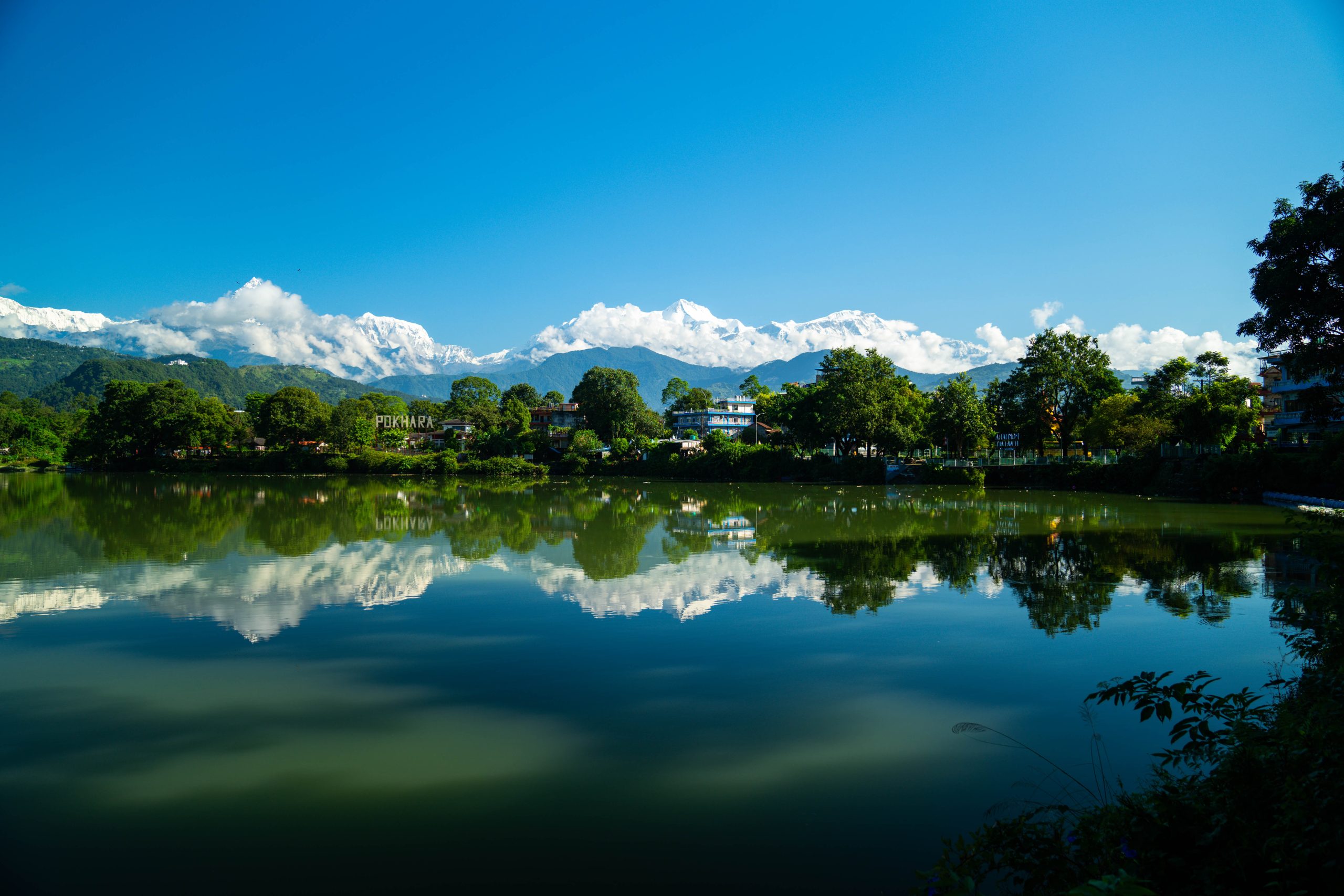
One of the biggest attractions is its location beside Phewa Lake, with the Annapurna range and Machhapuchhre (Fishtail Mountain) forming part of the wider landscape. These surroundings offer opportunities to enjoy nature before or after your daily practice.
Pokhara also has a well-developed tourism environment, with accommodation, restaurants, yoga schools and activities for international visitors. This makes it convenient to plan a longer stay without giving up access to everyday facilities.
Here are some of the main reasons why people choose Pokhara for yoga and meditation:
- Peaceful lakeside surroundings and natural landscapes.
- Beautiful views of the Annapurna Himalayan range.
- A relaxed atmosphere compared with larger cities.
- Opportunities for meditation, yoga and personal reflection.
- Access to cultural attractions and spiritual sites.
- Yoga retreats and residential teacher training programs.
- Opportunities to combine yoga with nature and local experiences.
1. Peaceful Natural Surroundings That Support Your Yoga Practice
Your surroundings can influence how you experience yoga and meditation. Practicing in a comfortable environment, away from constant noise and everyday distractions, can make it easier to focus on your breathing, movements and personal practice.
Pokhara offers a refreshing setting for this experience. The city is known for its lakes, green hills, rivers and mountain scenery. Instead of spending all your time surrounded by traffic and crowded streets, you can enjoy a slower atmosphere in many parts of the city.
For yoga practitioners, this creates opportunities to build a daily routine that includes more than classroom sessions. You can practice yoga in the morning, enjoy a walk outdoors, spend time reading or simply sit quietly and appreciate the surroundings.
Nature doesn’t replace consistent practice, but it can make your yoga journey more enjoyable and memorable.
Enjoy a Morning Walk Around Phewa Lake
Phewa Lake is one of Pokhara’s most recognizable attractions. Its calm waters, surrounding hills and beautiful mountain views make it a popular place for visitors.
A morning walk beside the lake can be a simple way to begin your day before attending yoga or meditation sessions. You can enjoy the fresh morning atmosphere, observe the local surroundings and take some time for yourself.
Connect With Nature Beyond the Yoga Studio
Yoga is not limited to physical postures. Spending time outdoors, observing your surroundings and maintaining a balanced daily routine can also become meaningful parts of your wellness journey.
Pokhara gives you plenty of opportunities to explore nature between your yoga sessions. You can visit nearby viewpoints, walk through quieter neighbourhoods or spend time beside the lake.
2. Beautiful Himalayan Views Create an Inspiring Environment
One of the most memorable features of Pokhara is its proximity to the Annapurna mountain range. On clear days, visitors can enjoy views of several Himalayan peaks, including the iconic Machhapuchhre, also known as Fishtail Mountain.
For many visitors, seeing the Himalayas for the first time is an unforgettable experience. The mountains, changing light and surrounding landscapes create a beautiful environment for reflection and relaxation.
Although mountain views aren’t required for yoga or meditation, they can add something special to your stay. You may find yourself enjoying a quiet morning with a view of the hills or taking a moment to appreciate the natural beauty after a long day of training.
Experience Sunrise Views From Sarangkot
Sarangkot is one of the most popular viewpoints near Pokhara. It is known for its sunrise views over the Annapurna and surrounding Himalayan ranges.
If weather conditions are clear, you may be able to see the mountains gradually illuminated by the morning sunlight. Many visitors travel to Sarangkot early in the morning to enjoy this experience.
You can plan a visit during your free time or as part of a sightseeing day around Pokhara.
Enjoy the Natural Beauty Around the Annapurna Region
Pokhara is also an important gateway to the Annapurna region. This makes it a convenient starting point for visitors who want to combine a yoga experience with short hikes or longer trekking adventures.
You do not need to be a trekker to appreciate the surroundings. Even a short visit to a nearby viewpoint or natural attraction can add variety to your stay.
3. A Relaxed Lifestyle Away From Busy City Life
Modern life often involves long working hours, digital distractions, traffic and busy schedules. Finding time for yourself can be difficult when your daily routine is constantly filled with responsibilities.
Pokhara offers a different atmosphere. Although the city has popular tourist areas and busy streets, many parts of Lakeside and the surrounding neighbourhoods provide a more relaxed environment.
This slower pace can help you create space for activities that are often difficult to prioritise in everyday life. You can follow a regular yoga schedule, enjoy meals without rushing, explore your surroundings and spend time focusing on your personal goals.
For people attending a residential yoga program, this routine change can be especially valuable. Instead of balancing training with a demanding work or study schedule, you can set aside dedicated time for learning and practice.
Create a More Balanced Daily Routine
A yoga-focused stay in Pokhara can help you establish a consistent daily routine.
You might begin your morning with meditation and pranayama, attend yoga classes, enjoy nutritious meals and spend your free time exploring the city. Evenings can be reserved for reading, reflection or relaxation.
The purpose is not to fill every hour with activities. It is to create a routine that gives you enough time for learning, practice and rest.
Take a Break From Digital Distractions
You do not have to avoid technology completely during your stay. However, spending less time on social media, unnecessary notifications and constant online activity can help you become more present.
A yoga retreat or teacher training program can help you reduce these distractions and focus on your experience.
4. Pokhara Offers Opportunities to Explore Yoga and Meditation Together
Yoga and meditation are closely connected, but they are not the same practice. Yoga can involve physical postures, breathing techniques, concentration and philosophical study, while meditation focuses on developing awareness and attention through different practices.
Pokhara provides an environment where visitors can explore both.
Many yoga programs include meditation and pranayama as part of their daily schedule. This allows students to develop a more complete understanding of yoga rather than focusing only on physical postures.
Whether you are new to yoga or have years of experience, you can use your time in Pokhara to explore different aspects of the practice.
Develop Your Yoga Practice
Yoga classes in a structured program may include Hatha Yoga, Ashtanga Vinyasa, alignment, breathing techniques and guided relaxation.
These practices can help you understand movement, improve your awareness of body alignment and develop consistency.
Make Time for Meditation
You can include meditation sessions in your morning or evening routine. Depending on the program, you may explore breath awareness, mantra meditation, guided meditation or other traditional approaches.
You do not need to be an experienced meditator to begin. Starting with a simple guided practice can help you become familiar with the process.
Learn About Pranayama
Pranayama refers to yogic breathing practices. It is an important part of many traditional yoga programs and is often taught alongside asana and meditation.
Learning different breathing techniques can help you develop greater awareness of your breath and understand how pranayama fits into a broader yoga practice.
5. A Rich Cultural and Spiritual Environment
Nepal has a long history of religious and spiritual traditions, with Hinduism and Buddhism playing important roles in its cultural life. Pokhara reflects this diversity through its temples, monasteries, festivals and local communities.
For international visitors, exploring these cultural traditions can add another dimension to a yoga journey. You can learn about local customs, visit religious sites and experience the cultural environment beyond the yoga studio.
Pokhara is home to places such as the World Peace Pagoda, Bindhyabasini Temple and Tal Barahi Temple. These sites attract visitors for their cultural, religious and scenic significance.
Visiting them does not require you to follow a particular religious belief. You can simply appreciate their history, architecture and importance to local communities.
Visit the World Peace Pagoda
The World Peace Pagoda is one of the most recognizable landmarks around Pokhara. Located on a hill overlooking Phewa Lake, it offers beautiful views of the city, lake and surrounding mountains.
The peaceful surroundings make it a popular place for visitors who want to spend some quiet time away from the busier lakeside area.
You can reach the pagoda through a hike or by combining different local transport and walking options.
Explore Tal Barahi Temple
Tal Barahi Temple is located on a small island in Phewa Lake. Visitors usually reach it by boat, making the journey part of the experience.
The temple is an important religious site in Pokhara and provides an opportunity to learn more about local Hindu traditions.
Experience Local Traditions and Everyday Life
You can also explore Pokhara’s local markets, traditional food, festivals and neighbourhoods. These everyday experiences help you understand the city beyond its popular tourist attractions.
For many visitors, learning about local culture becomes an important part of travelling with an open mind.
6. A Suitable Destination for Yoga Retreats and Teacher Training
Pokhara is not only a destination for sightseeing. It is also a place where international students can spend several weeks studying yoga and developing their personal practice.
The city offers a range of yoga experiences, from short retreats to structured residential teacher training programs. This gives visitors the flexibility to choose a program based on their interests, experience and available time.
If you want to learn yoga for personal development, a retreat may be a suitable option. If your goal is to develop the knowledge and practical skills needed to teach yoga, you may consider a 200-hour teacher training course.
Before enrolling, check the curriculum, teacher experience, teaching hours, accommodation, meals and certification arrangements.
Yoga Retreats in Pokhara
A yoga retreat is suitable for people who want to spend a few days or weeks focusing on yoga, meditation and relaxation.
Depending on the program, a retreat may include:
- Daily yoga and meditation sessions.
- Pranayama and breathing exercises.
- Guided relaxation.
- Time for personal practice.
- Opportunities to explore local attractions.
- A structured daily routine.
The exact activities and duration depend on the retreat provider.
200-Hour Yoga Teacher Training in Pokhara
If you want to take your practice further, a 200-hour yoga teacher training course can provide a structured foundation in yoga.
A typical program may cover:
- Hatha Yoga and Ashtanga Vinyasa.
- Asana alignment and adjustments.
- Pranayama and meditation.
- Yoga philosophy and traditional teachings.
- Anatomy and physiology.
- Teaching methodology.
- Lesson planning and practical teaching.
A residential program also gives you the opportunity to learn alongside other students from different countries and backgrounds.
7. Opportunities to Combine Yoga With Nature and Outdoor Activities
One of the advantages of choosing Pokhara is that you can combine your yoga experience with outdoor activities. You do not have to spend your entire stay inside a yoga studio.
The city offers several natural and cultural attractions that you can explore during your free time. Depending on your interests and schedule, you can enjoy boating, hiking, sightseeing and visits to nearby viewpoints.
This flexibility is particularly useful for visitors staying in Pokhara for several weeks. You can maintain your daily yoga routine while using your free days to explore the destination.
Boating on Phewa Lake
Boating on Phewa Lake is one of the most popular activities in Pokhara. You can enjoy views of the surrounding hills and mountains while spending time on the water.
It is a relaxing activity to include in your free time, particularly if you want a break from your regular training schedule.
Visit the World Peace Pagoda
The World Peace Pagoda is another popular place to explore. The hilltop location offers scenic views and a quieter atmosphere compared with the main lakeside area.
It can be included in a half-day sightseeing plan, depending on your chosen route.
Explore Nearby Waterfalls and Caves
Pokhara is also known for attractions such as Davis Falls, Gupteshwor Mahadev Cave and Mahendra Cave.
These locations provide opportunities to experience the natural and geological features of the valley. They are suitable additions to your travel itinerary when you have time outside your yoga sessions.
Enjoy Short Hikes and Viewpoints
If you enjoy walking, Pokhara has several nearby routes and viewpoints. You can choose an easy walk or a more challenging hike depending on your fitness and available time.
Always check local conditions and choose activities that fit your training schedule.
8. A Welcoming Environment for International Visitors
Pokhara is an established tourist destination and welcomes visitors from different parts of the world. Its Lakeside area has a wide range of accommodation, restaurants, cafés, shops and travel services.
For international yoga students, this makes it easier to organise a longer stay. You can find different accommodation options, explore local and international food, and access everyday services without travelling far from the main tourist areas.
The city also provides opportunities to meet other travellers, students and yoga practitioners. If you are travelling alone, joining a structured yoga retreat or teacher training program can be a way to connect with people who share similar interests.
Accommodation Options for Different Budgets
Pokhara offers a range of accommodation, from budget guesthouses to comfortable hotels and residential yoga facilities.
If you are joining a longer yoga program, check whether accommodation is included in the course fee. Also confirm room arrangements, bathroom facilities, meals and other package details before booking.
Food Options for Yoga Practitioners
Pokhara has restaurants serving traditional Nepali food as well as international dishes. Many yoga programs also provide vegetarian meals as part of their residential packages.
If you have specific dietary preferences or allergies, inform your yoga school before arrival so that you can understand what arrangements are available.
9. Why Choose Chandra Yoga Nepal for Your Yoga Journey in Pokhara?
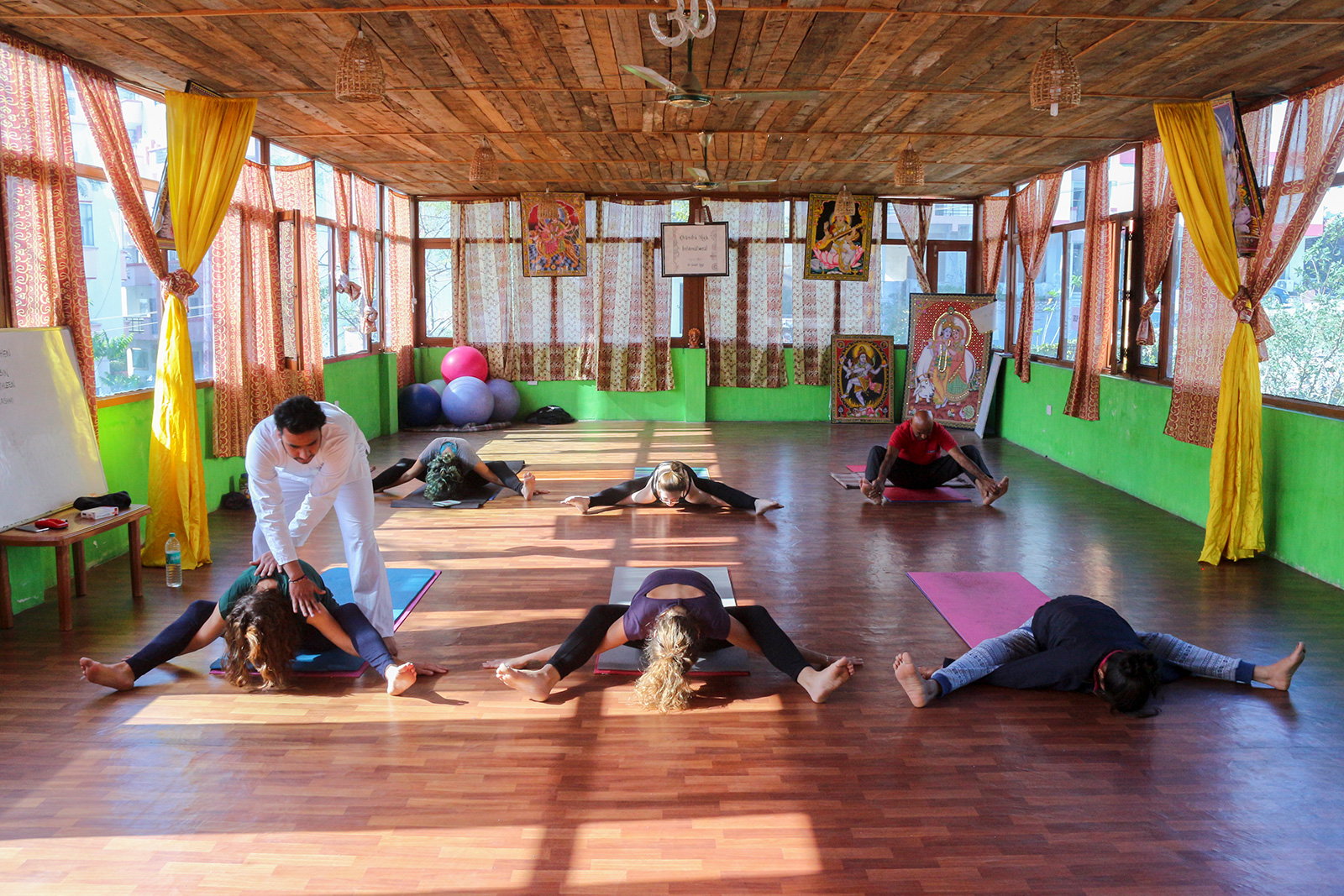
If you are looking for a place to deepen your yoga practice or begin your journey as a yoga teacher, Chandra Yoga Nepal offers a residential learning experience in Lakeside, Pokhara.
Located in a popular lakeside area, the school provides an opportunity to study yoga while experiencing the natural and cultural surroundings of Pokhara.
Its 200-hour yoga teacher training program combines Hatha Yoga and Ashtanga Vinyasa with other important areas of study, including pranayama, meditation, yoga philosophy, anatomy and teaching methodology.
The program is designed for students who want to develop their personal practice and build a foundation for teaching. You also have the opportunity to learn alongside other students in a residential setting.
What You Can Expect at Chandra Yoga Nepal
The current course information highlights several features of the residential training experience:
- Yoga styles: Traditional Hatha Yoga and Ashtanga Vinyasa.
- Daily practice: Asana, pranayama and meditation sessions.
- Theoretical learning: Yoga philosophy and anatomy.
- Teaching development: Teaching methodology and practical sessions.
- Accommodation: Private or shared rooms with attached bathrooms.
- Meals: Three vegetarian meals daily.
- Learning environment: A residential setting in Lakeside, Pokhara.
- Certification: Yoga Alliance Registered School (RYS 200) program.
Course dates, duration, inclusions and fees can change, so contact the school to confirm the latest details before making your booking.
Who Can Join the Training?
The program is suitable for people who want to develop their yoga practice and learn more about teaching. You do not necessarily need previous professional teaching experience to begin a foundational teacher training course.
However, it is important to review the course requirements and make sure the training matches your personal goals and expectations.
Whether you want to explore yoga more deeply or work towards becoming a yoga teacher, a structured residential program can provide a focused learning environment.
Ready to begin your yoga journey in Pokhara? Explore the 200-hour yoga teacher training course at Chandra Yoga Nepal and contact the team for upcoming course dates, availability and package information.
Best Time to Visit Pokhara for Yoga and Meditation
Pokhara can be visited throughout the year, but spring and autumn are generally the most comfortable seasons for combining yoga with outdoor activities and sightseeing.
Spring, from March to May, brings warmer weather and blooming landscapes. It is a good time for morning yoga, lakeside walks and exploring nearby attractions.
Autumn, from September to November, is another excellent period. The monsoon generally begins to withdraw, and October and November often offer clearer skies and comfortable conditions for travelling.
Winter can also suit a peaceful yoga stay, especially if you prefer cooler mornings and sunny afternoons. During the monsoon, frequent rainfall may limit outdoor activities, but indoor yoga and meditation can still be part of your daily routine.
Here is a quick comparison:
| Season | Months | What to Expect |
| Spring | March–May | Warmer days, blooming flowers and good outdoor conditions |
| Monsoon | June–September | Rainfall, humidity and lush green surroundings |
| Autumn | September–November | Generally clear skies and comfortable travel conditions |
| Winter | December–February | Cool mornings and mild afternoons in Pokhara |
If you want to explore Pokhara while attending a yoga retreat or teacher training program, March, April, October and November are excellent months to consider.
How to Plan Your Yoga and Meditation Trip to Pokhara
Planning ahead can make your yoga experience more comfortable, especially if you are travelling internationally or joining a residential course.
Before booking your trip, think about your purpose, available time, preferred season and the type of program you want to attend. A little preparation will also help you avoid confusion about accommodation, course dates and travel arrangements.
Here are some practical tips to help you plan.
- Decide Between a Yoga Retreat and Teacher Training
A yoga retreat is suitable if you want to practice yoga, meditate and take a break from your routine. A teacher training course is more structured and involves a greater commitment to study and practice.
- Choose a Suitable Travel Period
Spring and autumn are good choices if you want comfortable conditions for sightseeing and outdoor activities. If you are comfortable with rain or cooler temperatures, other seasons may also work.
- Research the Yoga School
Check the school’s curriculum, teacher experience, class schedule, teaching approach and student reviews. For teacher training, confirm the school’s current registration and certification arrangements.
- Check Accommodation and Meals
For a longer stay, accommodation and food are important considerations. Ask whether these are included in the package and whether private or shared rooms are available.
- Plan Your Travel to Pokhara
You can reach Pokhara from Kathmandu by road or by air. Compare the available options based on your budget, schedule and travel preferences.
- Pack According to the Season
Bring comfortable yoga clothing, walking shoes, personal essentials and suitable layers. If you visit during the monsoon, carry rain protection. During winter, bring warmer clothing for mornings and evenings.
- Keep Some Time for Exploration
Do not plan every day around sightseeing. Give yourself enough time to attend your classes, rest and explore Pokhara at a comfortable pace.
Frequently Asked Questions About Best places for Yoga and Meditation in Nepal
1. Is Pokhara a good place for yoga and meditation?
Yes. Pokhara is a popular destination for yoga and meditation because of its lakeside surroundings, Himalayan scenery, relaxed atmosphere and access to yoga retreats and teacher training programs.
2. Why is Pokhara popular for yoga retreats?
Pokhara offers a combination of natural beauty, comfortable accommodation, tourism facilities and opportunities for outdoor activities. These features make it an attractive destination for people who want to combine yoga with relaxation and travel.
3. Can beginners practise yoga in Pokhara?
Yes. Beginners can join suitable yoga classes and retreats in Pokhara. If you are considering teacher training, check the course requirements and whether the program is designed for beginners or experienced practitioners.
4. Is Pokhara suitable for meditation?
Yes. Pokhara offers many peaceful natural and cultural settings where visitors can spend time meditating. You can also join guided meditation sessions as part of a yoga retreat or training program.
5. What is the best time to visit Pokhara for yoga?
Spring (March to May) and autumn (September to November) are generally the best seasons for combining yoga with sightseeing and outdoor activities. October and November are particularly popular because of their generally clear weather.
Final Thoughts: Experience Yoga and Meditation in Pokhara, Nepal
Pokhara offers more than beautiful mountain views and lakeside attractions. Its natural surroundings, relaxed atmosphere, cultural experiences and growing yoga community make it an appealing destination for people who want to focus on yoga and meditation.
Whether you are planning a short retreat, exploring meditation for the first time or joining a residential yoga teacher training course, Pokhara gives you the opportunity to combine learning with a memorable travel experience.
You can begin your day with yoga, spend time exploring the natural surroundings, learn about local traditions and enjoy a more balanced daily routine.
If you are planning to experience yoga in Nepal, consider making Pokhara part of your journey.
Start your yoga journey with Chandra Yoga Nepal. Explore the available yoga teacher training programs in Lakeside, Pokhara, and take the next step towards developing your personal practice.