Best Time to Visit Nepal for Yoga: A Complete Seasonal Guide
November 25, 2026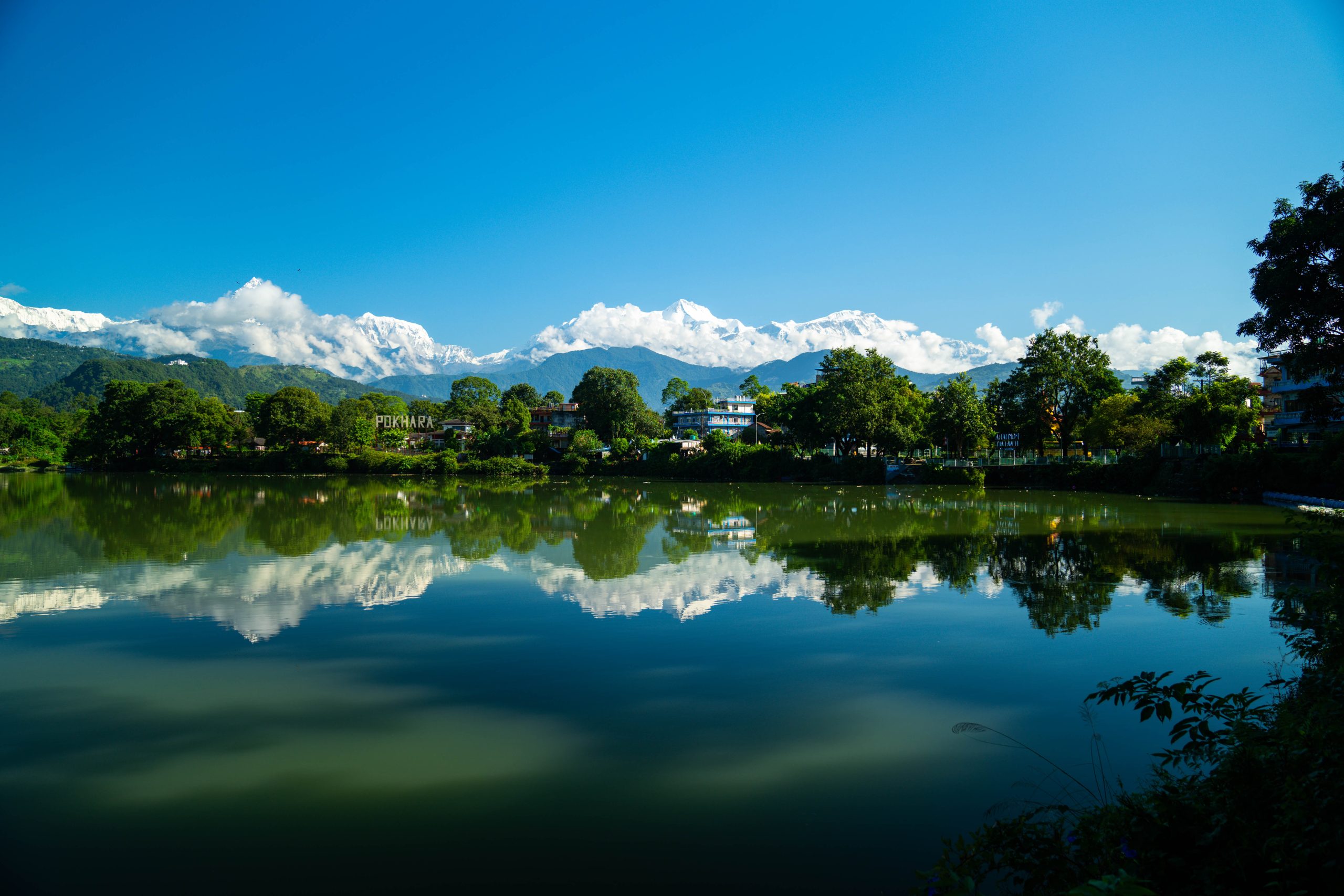
Planning a yoga retreat or yoga teacher training in Nepal? The best time to visit Nepal for yoga is generally during spring (March to May) and autumn (September to November), when the weather is relatively pleasant, outdoor conditions are enjoyable, and the natural surroundings make it easier to enjoy a peaceful yoga experience. However, Nepal is a year-round yoga destination, and every season offers something different.
Whether you want to join a yoga retreat, complete a 200-hour yoga teacher training course, deepen your meditation practice, or simply spend time away from your daily routine, choosing the right season can make your experience more comfortable.
From the warm spring days and clear autumn skies to the peaceful monsoon atmosphere and refreshing winter mornings, Nepal offers different settings for your yoga journey. In this guide, you will discover the best months to visit Nepal for yoga, what each season is like, and how to choose the right time for your stay in Pokhara.
What Is the Best Time to Visit Nepal for Yoga?
The best time to visit Nepal for yoga is during spring (March to May) and autumn (September to November). These seasons generally offer comfortable temperatures and pleasant conditions for traveling, practicing yoga, and exploring the natural surroundings.
Autumn is especially suitable if you want clear mountain views and comfortable sightseeing weather. Spring is another excellent choice because of its warmer days, blooming flowers, and green landscapes. However, you do not need to wait for these seasons to begin your yoga journey. Indoor yoga classes, meditation sessions, and residential training programs are available year-round.
Your ideal travel period depends on what you want from the experience. If you prefer outdoor activities and sightseeing, spring and autumn are excellent options. If you want a quieter atmosphere and do not mind occasional rain, the monsoon season may also suit you. Winter can be a good choice if you enjoy cooler mornings and peaceful surroundings.
Quick Overview of the Best Months
| Season | Months | What to Expect | Suitable For |
| Spring | March–May | Warmer days, blooming flowers and pleasant mornings | Yoga retreats, sightseeing and outdoor activities |
| Summer/Monsoon | June–September | Frequent rainfall, lush greenery and humid weather | Indoor yoga, meditation and quieter retreats |
| Autumn | September–November | Generally clear skies and comfortable temperatures | Yoga training, retreats and mountain views |
| Winter | December–February | Cool mornings, mild sunny afternoons and colder evenings | Meditation, indoor yoga and peaceful stays |
Understanding Nepal’s Seasons Before Planning Your Yoga Trip
Nepal experiences different weather conditions throughout the year because of its varied geography and altitude. The climate in Pokhara, Kathmandu, Chitwan, and the Himalayan regions can be quite different, even during the same month.
For yoga travellers, this means choosing a destination is just as important as choosing a season. A yoga retreat in Pokhara, for example, offers a different climate and environment from a high-altitude mountain retreat. Nepal also receives much of its annual rainfall during the monsoon months, particularly from June to September.
Understanding these seasonal changes can help you decide when to visit, what clothes to pack, and which activities to include in your trip. Here is what you can expect during each season.
1. Spring (March to May): One of the Best Seasons for Yoga in Nepal
Spring is one of the most enjoyable times to visit Nepal for a yoga retreat or teacher training program. During these months, temperatures gradually become warmer, flowers begin to bloom, and the surrounding hills become greener. The mornings are generally pleasant, making it easier to enjoy outdoor activities before the afternoon gets warmer.
For yoga practitioners, spring offers a comfortable balance between indoor practice and time spent outdoors. You can begin your day with meditation and pranayama, attend your yoga sessions, and spend your free time exploring nearby lakes, gardens, temples, and natural attractions.
Pokhara is particularly appealing during this season because of its lakeside atmosphere and surrounding hills. You can enjoy a peaceful morning walk around Phewa Lake or simply relax after your daily yoga practice.
Why visit Nepal for yoga in spring?
- Pleasant conditions for morning yoga and meditation.
- Beautiful flowers and greener landscapes.
- Suitable weather for sightseeing and short hikes.
- Opportunities to explore local culture and nature.
- A comfortable environment for longer residential yoga programs.
Who should visit during spring?
Spring is a great choice for first-time visitors, yoga beginners, international travellers, and anyone planning to combine yoga with sightseeing. March and April are particularly attractive months, although May can become warmer and more humid as the monsoon approaches.
2. Summer and Monsoon (June to September): A Peaceful Time for Indoor Yoga
Summer and monsoon bring frequent rainfall to much of Nepal. The weather becomes warmer and more humid, and heavy showers can affect outdoor activities and travel plans. In Pokhara, rainfall can be particularly significant because of its geographical location near the Annapurna range.
However, the rainy season does not mean you have to cancel your yoga plans. In fact, it can be a suitable period for people who want to focus more on their personal practice, meditation, breathing exercises, and yoga philosophy rather than outdoor sightseeing.
The rain creates a fresh atmosphere, and the surrounding hills become lush and green. If you enjoy the sound of rainfall and prefer spending time indoors, monsoon can offer a different kind of retreat experience.
You should, however, plan your travel carefully. Heavy rain may affect road journeys, trekking routes, and outdoor excursions. It is sensible to allow extra travel time and check local weather conditions before travelling.
Why consider visiting Nepal during monsoon?
- Lush green landscapes and fresh surroundings.
- A quieter atmosphere in some tourist areas.
- More opportunities to focus on indoor yoga and meditation.
- A suitable environment for personal reflection.
- Potentially greater flexibility when planning a less crowded trip.
Who should visit during monsoon?
This season may suit experienced travellers and yoga practitioners who are comfortable with rainy weather and do not mind limiting outdoor activities. If your main purpose is to attend a structured yoga course, check that the school has suitable indoor practice facilities.
3. Autumn (September to November): The Best Overall Season for Many Visitors
Autumn is widely considered one of the best seasons to visit Nepal. After the monsoon rains, the skies often become clearer, the air feels fresher, and the surrounding landscapes look beautiful. Temperatures are generally comfortable, making this season suitable for yoga, sightseeing, and outdoor exploration.
For international yoga students, autumn can be an excellent time to experience Nepal beyond the yoga studio. You can enjoy morning practice, explore the lakeside area, visit cultural attractions, and take in views of the surrounding mountains when weather conditions allow.
October and November are particularly popular because of their pleasant travel conditions. They are also associated with major Nepali festivals, including Dashain and Tihar, giving visitors an opportunity to experience local traditions and celebrations.
If you are planning a longer yoga teacher training course, autumn is a strong option because it allows you to balance your daily training schedule with outdoor experiences.
Why visit Nepal for yoga in autumn?
- Generally clear skies after the monsoon.
- Comfortable temperatures for daily yoga practice.
- Excellent conditions for sightseeing and outdoor exploration.
- Beautiful mountain and lake views when visibility is good.
- Opportunities to experience Nepali festivals and culture.
Who should visit during autumn?
Autumn is an excellent choice for first-time visitors, international yoga students, yoga retreat participants, and travellers who want to combine yoga with sightseeing. October and November are especially good options if you have flexibility in your travel dates.
4. Winter (December to February): A Quiet Season for Meditation and Self-Reflection
Winter in Nepal brings cooler temperatures, especially during early mornings and evenings. However, lower-altitude destinations such as Pokhara can still experience sunny and relatively mild afternoons.
For people who enjoy a peaceful environment, winter can be a rewarding time to visit Nepal. The quieter atmosphere in some destinations may allow you to spend more time focusing on your personal practice without the busier feel of the peak tourist season.
Morning yoga and meditation can feel refreshing during winter, although you should make sure your accommodation and yoga school provide comfortable indoor spaces. Warm clothing is important, particularly if you plan to practise early in the morning.
Winter is also a good time to explore cultural attractions and enjoy the slower side of life in Nepal. However, higher-altitude destinations can become extremely cold, so mountain travel requires additional preparation.
Why visit Nepal for yoga in winter?
- Peaceful surroundings for meditation and reflection.
- Sunny afternoons in many lower-altitude destinations.
- Opportunities to focus on indoor yoga practice.
- A quieter travel experience in some locations.
- Suitable conditions for combining yoga with cultural sightseeing.
Who should visit during winter?
Winter is a good option for travellers who prefer cooler weather and quieter surroundings. It may also suit people who want to concentrate on meditation, yoga philosophy, and personal development rather than outdoor adventure.
Best Month to Visit Nepal for Yoga: Month-by-Month Guide
Although spring and autumn are generally the most recommended seasons, each month offers a slightly different experience. Your decision should depend on your preferred weather, travel schedule, and the type of yoga experience you want.
Here is a month-by-month overview to help you plan your visit.
| Month | Weather and Environment | Yoga Travel Experience |
| January | Cool mornings and mild sunny afternoons in Pokhara | Suitable for indoor yoga and meditation |
| February | Gradually warmer days and pleasant conditions | Good for peaceful retreats and sightseeing |
| March | Spring begins, with warmer weather and blooming flowers | Excellent for yoga training and outdoor activities |
| April | Pleasant spring conditions, although afternoons can become warmer | One of the best months for yoga retreats |
| May | Warmer weather with increasing humidity and occasional pre-monsoon showers | Suitable for yoga programs with flexible outdoor plans |
| June | Monsoon begins to influence much of Nepal | Better for indoor yoga and meditation |
| July | Frequent rain and humid conditions | Suitable for quieter indoor-focused retreats |
| August | Heavy rainfall in many areas | Best for travellers comfortable with monsoon conditions |
| September | Rainfall gradually decreases, although conditions vary | A good shoulder-season option, especially later in the month |
| October | Generally clear skies and comfortable weather | One of the best months for yoga and sightseeing |
| November | Pleasant days, cooler mornings and clear mountain views | Excellent for residential yoga training |
| December | Cooler temperatures and peaceful surroundings | Suitable for meditation and indoor practice |
Weather conditions can vary from year to year and between destinations. This table is a general planning guide rather than a daily weather forecast.
Why Is Pokhara One of the Best Places for Yoga in Nepal?
Pokhara is one of Nepal’s most popular destinations for travellers seeking relaxation, nature, and adventure. Located beside Phewa Lake and surrounded by green hills and the Annapurna mountain range, the city offers a peaceful environment that makes it attractive for yoga retreats and teacher training programs.
Unlike busy urban environments, Pokhara gives visitors opportunities to slow down and enjoy a more relaxed daily routine. You can begin your morning with yoga, enjoy breakfast, attend your training sessions, and spend your free time exploring the lakeside area.
The natural surroundings also make it easier to combine yoga with other experiences. You can enjoy lakeside walks, visit local temples, explore waterfalls, or simply spend time appreciating the landscape.
A Peaceful Environment for Daily Yoga Practice
A suitable environment can make a difference to your yoga experience. In Pokhara, the combination of natural surroundings and a relaxed atmosphere provides a welcome break from busy everyday life.
Whether you are a beginner or an experienced practitioner, you can use your time here to focus on breathing, movement, meditation, and self-awareness. The slower pace of the city can also help you maintain a more consistent daily routine.
Beautiful Natural Surroundings
Pokhara offers a combination of lakes, hills, and mountain scenery. Phewa Lake is one of the city’s most popular attractions, while the surrounding viewpoints provide opportunities to enjoy the landscape.
On clear days, you may also get beautiful views of the Annapurna range and Machhapuchhre (Fishtail Mountain). These natural surroundings can make your yoga journey more memorable, especially if you enjoy spending time outdoors.
Opportunities to Explore Local Culture
Your visit to Nepal does not have to be limited to yoga classes. Pokhara offers opportunities to experience local food, traditions, temples, and everyday Nepali life.
You can visit the World Peace Pagoda, explore the lakeside market, or take a short trip to nearby cultural and natural attractions. These experiences can add more meaning to your stay and help you connect with the local environment.
Best Time to Join a Yoga Teacher Training Course in Nepal
If your goal is to become a certified yoga teacher or develop a deeper understanding of yoga, choosing the right training program is more important than selecting a particular season.
However, spring and autumn are excellent periods to consider a residential yoga teacher training course in Nepal. The generally comfortable weather makes it easier to balance indoor classes, daily practice, and outdoor activities.
A 200-hour yoga teacher training program usually involves a structured daily schedule. You may attend morning meditation, pranayama, asana sessions, anatomy classes, yoga philosophy, and teaching practice. Since the program requires consistency and commitment, a comfortable learning environment can make your stay more enjoyable.
Before booking, check the school’s course dates, curriculum, accommodation, meals, teaching approach, and certification details. Also consider how much free time is available for exploring the destination.
Is Spring Better for Yoga Teacher Training?
Spring is a strong choice if you enjoy warmer weather, outdoor activities, and blooming natural surroundings. March and April are particularly attractive for students who want to explore Pokhara during their free time.
Is Autumn Better for Yoga Teacher Training?
Autumn is another excellent option, especially if you want to experience Nepal’s clear post-monsoon skies and comfortable sightseeing conditions. October and November are particularly popular for combining yoga training with travel.
Can You Join Yoga Teacher Training During Winter or Monsoon?
Yes. Yoga teacher training does not have to be limited to spring and autumn. You can join a program during winter or monsoon if the school offers suitable dates and facilities.
During monsoon, check the indoor practice arrangements and travel conditions. During winter, ask about room heating, blankets, and the temperature of indoor practice spaces.
Experience Yoga Teacher Training at Chandra Yoga Nepal in Pokhara
If you are looking for a place to deepen your yoga practice or begin your journey as a yoga teacher, Pokhara offers a peaceful setting to learn and grow.
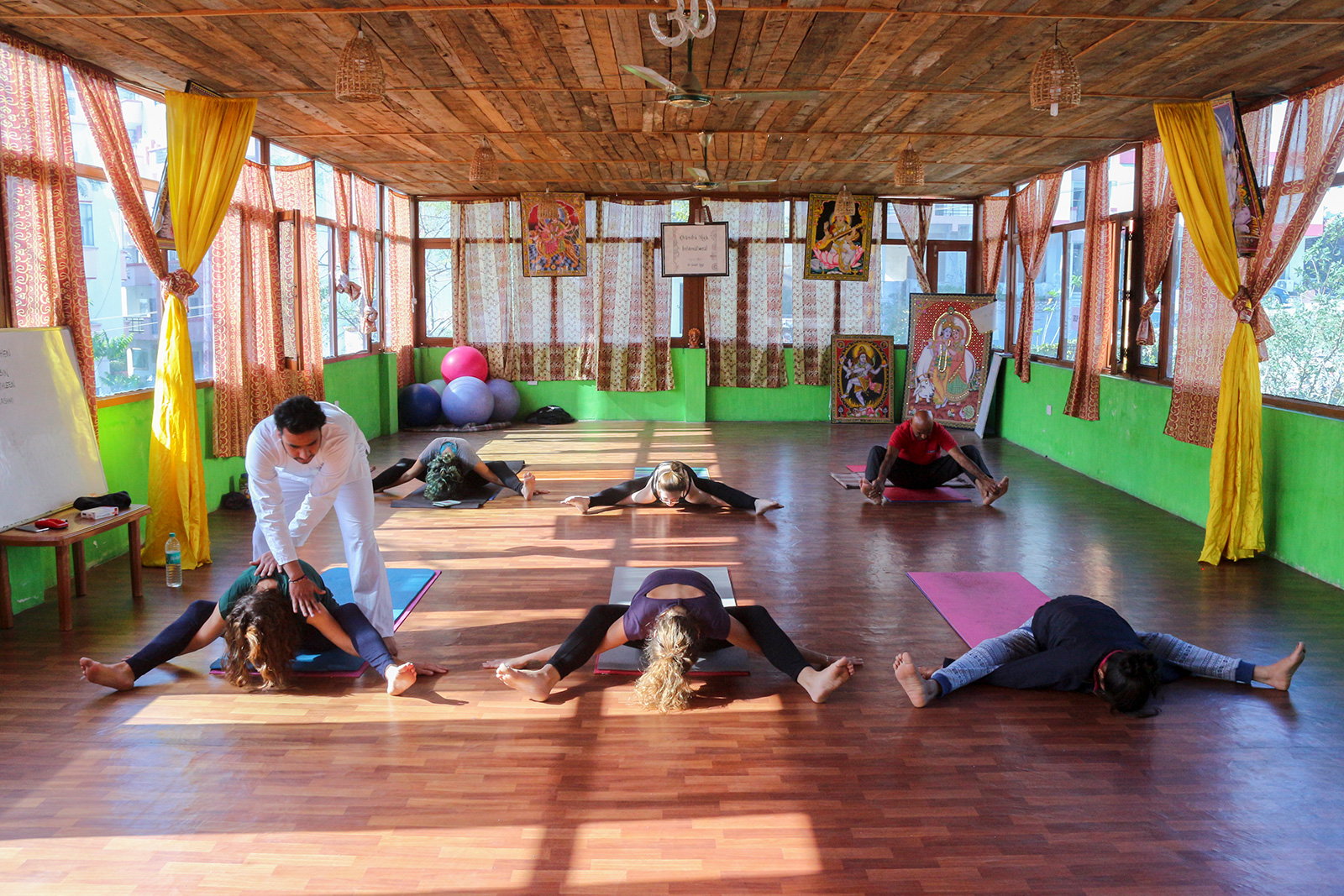
At Chandra Yoga Nepal, you can experience a residential yoga teacher training program in Lakeside, Pokhara, surrounded by the natural beauty and cultural atmosphere of Nepal.
The school’s 200-hour yoga teacher training program focuses on Hatha Yoga and Ashtanga Vinyasa, along with pranayama, meditation, yoga philosophy, anatomy, and teaching methodology. The residential experience is designed to help students develop their personal practice while building the knowledge and practical skills needed for teaching.
The current course information describes a 28-day program with private or shared accommodation, attached bathrooms, and three vegetarian meals each day. Check the latest course schedule and package details directly with the school before booking, as dates and inclusions may change.
You do not need to wait for a particular season to start planning your yoga journey. The school lists training options throughout the year, so you can choose a suitable course date based on your travel plans.
Why consider Chandra Yoga Nepal?
- Residential yoga teacher training in Lakeside, Pokhara.
- Hatha Yoga and Ashtanga Vinyasa practice.
- Pranayama, meditation, anatomy, and yoga philosophy.
- Teaching methodology and practical teaching sessions.
- Private or shared accommodation options.
- Vegetarian meals included in the current residential package.
- A peaceful location for learning and personal development.
Whether you are planning your first yoga teacher training course or looking to develop your existing practice, you can explore the program and find a suitable starting date.
Ready to begin your yoga journey in Nepal? Explore the 200-hour yoga teacher training course at Chandra Yoga Nepal or contact the team to learn about upcoming dates and availability.
What Should You Pack for a Yoga Trip to Nepal?
Packing the right items can make your yoga journey more comfortable, especially if you are staying for several weeks. Your packing list should depend on the season, the length of your stay, and whether you plan to explore destinations outside Pokhara.
You do not need to bring an excessive amount of equipment. Most of your attention should be on comfortable clothing, personal essentials, and anything you need for your daily practice.
Essential Items for Every Season
- Comfortable yoga clothes that allow easy movement.
- A reusable water bottle.
- Personal toiletries and basic medicines.
- Comfortable walking shoes or sandals.
- A light jacket for cooler mornings and evenings.
- Sunscreen, sunglasses, and a hat.
- A small backpack for day trips.
- Personal meditation items, if needed.
What to Pack During Spring and Autumn
Spring and autumn generally offer comfortable daytime conditions, but mornings and evenings can still be cool. Pack lightweight clothing along with a few warmer layers.
If you plan to explore nearby viewpoints or go hiking, bring comfortable walking shoes and suitable outdoor clothing.
What to Pack During Monsoon
If you are visiting between June and September, rain protection is essential. Carry a waterproof jacket, umbrella, quick-drying clothes, and footwear with good grip.
You may also want to bring a waterproof bag to protect your electronics and important documents.
What to Pack During Winter
Winter mornings and evenings can be cold, so bring warm layers, a sweater, socks, and comfortable clothing for indoor yoga practice. If you are sensitive to cold temperatures, ask your accommodation about heating arrangements before booking.
Tips for Planning Your Yoga Trip to Nepal
Choosing a suitable season is only one part of planning a successful yoga trip. You should also consider your travel arrangements, accommodation, course schedule, and personal goals.
A little preparation before arriving in Nepal can help you enjoy your stay without unnecessary stress.
- Decide What You Want from Your Yoga Journey
Are you planning to join a yoga retreat, complete a 200-hour teacher training course, or simply spend a few days practising yoga and meditation? Your purpose will help determine the ideal destination, duration, and season.
- Check the Course Schedule Before Booking Flights
If you are joining a residential program, confirm the starting and ending dates with the yoga school before purchasing your flight tickets. Also ask about arrival arrangements and whether you should arrive a day early.
- Consider the Weather in Your Destination
Do not rely only on general information about Nepal’s climate. Check the weather conditions in your actual destination, particularly if you are travelling to Pokhara or planning mountain excursions.
- Choose Accommodation That Supports Your Practice
For a longer yoga stay, comfortable accommodation is important. Check whether meals, bathroom facilities, Wi-Fi, and study or practice spaces are included in your package.
- Allow Time to Adjust After Travelling
International travel can be tiring. If possible, arrive in Nepal with enough time to rest, adjust to the local environment, and prepare for your daily yoga schedule.
- Keep Your Outdoor Plans Flexible
Even during spring and autumn, weather conditions can change. Avoid planning every day too tightly, especially if you want to include hiking, sightseeing, or mountain excursions.
Frequently Asked Questions About the Best Time to Visit Nepal for Yoga
1. What is the best month to visit Nepal for yoga?
October and November are among the best months to visit Nepal for yoga because of their generally comfortable weather and clearer skies. March and April are also excellent choices, especially if you enjoy spring landscapes and warmer days.
2. Is Nepal suitable for a yoga retreat throughout the year?
Yes. Nepal is suitable for yoga retreats throughout the year. Spring and autumn are popular because of their pleasant weather, but winter and monsoon can also provide suitable conditions for indoor yoga, meditation, and personal practice.
3. Is Pokhara a good destination for yoga?
Yes. Pokhara is an excellent destination for yoga because of its peaceful lakeside atmosphere, natural surroundings, and relaxed environment. It is also a popular location for residential yoga teacher training programs.
4. Is October a good time for yoga in Nepal?
Yes. October is one of the best months to visit Nepal for yoga. The monsoon generally begins to withdraw, the weather becomes more comfortable, and mountain views are often clearer. It is also a good time for sightseeing and outdoor activities.
5. Can I visit Nepal for yoga during the monsoon season?
Yes. You can visit Nepal for yoga during the monsoon season. However, frequent rainfall and humidity may affect outdoor activities and travel plans. Choose a school with suitable indoor facilities and allow flexibility in your schedule.
Final Thoughts: Plan Your Yoga Journey in Nepal
Nepal offers a beautiful setting for anyone looking to experience yoga, meditation, and personal development. While spring and autumn are generally the best seasons to visit, you can enjoy a meaningful yoga experience throughout the year by choosing the right destination and preparing for the weather.
If you prefer pleasant temperatures and blooming landscapes, consider visiting in March or April. If clear skies, mountain views, and comfortable sightseeing conditions are important to you, October and November are excellent choices. And if you prefer a quieter experience focused on indoor practice, winter and monsoon may also suit your plans.
For a combination of yoga, nature, and cultural experiences, Pokhara is a destination worth considering. With its peaceful lakeside environment and beautiful surroundings, it offers a welcoming place to slow down and focus on your practice.
Ready to experience yoga in Nepal? Explore the programs at Chandra Yoga Nepal and plan your visit to Pokhara at a time that works best for you.