Yoga Teacher Training for Beginners: A Complete Guide to Starting Your Yoga Journey
November 24, 2026
Have you ever wanted to learn yoga beyond regular classes and understand what it takes to become a yoga teacher? If you are a beginner, joining a Yoga Teacher Training (YTT) program might seem like a big step. You may wonder whether you need years of experience, advanced flexibility, or the ability to perform difficult yoga postures before enrolling. The good news is that you do not need to be an expert to begin.
Beginner yoga teacher training is designed to help you understand the fundamentals of yoga, develop a consistent personal practice, and learn the essential skills needed to guide others. A 200-hour Yoga Teacher Training is generally the recommended starting point for aspiring yoga teachers.
In this guide, we will explain everything you need to know about beginner yoga teacher training, including eligibility, preparation, curriculum, course duration, costs, certification, and career opportunities. We will also explore why Pokhara, Nepal, can be a wonderful place to begin your yoga journey.
What Is Yoga Teacher Training for Beginners?
Yoga Teacher Training for beginners is a structured learning program designed to introduce students to the fundamental principles and practices of yoga. It is suitable for people who want to understand yoga beyond physical exercise, develop their personal practice, or eventually become professional yoga instructors. Unlike regular yoga classes, which mainly focus on practising postures, teacher training combines practical sessions with theoretical education.
A beginner-friendly 200-hour Yoga Teacher Training usually covers asana, pranayama, meditation, anatomy, yoga philosophy, and teaching methodology. You gradually learn how to practise safely, understand the relationship between the body and mind, and communicate yoga techniques to others. You do not need previous teaching experience to begin. The main requirements are an interest in learning, commitment to regular practice, and an open mind.
Is Yoga Teacher Training Suitable for Complete Beginners?
Yes. Many foundational yoga teacher training programs welcome students who have limited yoga experience or have never considered themselves advanced practitioners.
The purpose of a beginner-level course is to introduce you to yoga systematically. You start by understanding basic postures, breathing techniques, and foundational concepts before gradually developing more advanced knowledge.
However, teacher training is more intensive than attending regular yoga classes. You should be prepared for daily practice, theoretical lessons, assignments, and practical teaching sessions.
Can You Become a Yoga Teacher Without Previous Teaching Experience?
Absolutely. A 200-hour Yoga Teacher Training is designed to introduce aspiring instructors to the skills needed to teach yoga.
You learn how to demonstrate postures, give clear instructions, plan classes, understand student needs, and create a supportive learning environment.
You do not need to know how to teach before enrolling. Developing these abilities is one of the main purposes of the training.
Do You Need Yoga Experience to Join a Teacher Training Course?
One of the most common concerns among beginners is whether they have enough experience to join a yoga teacher training program. Many people assume that only experienced practitioners who can perform advanced postures are eligible. However, this is not true for most foundational 200-hour programs. You can begin your training with basic knowledge, provided you are willing to learn and participate consistently.
Some familiarity with yoga can make the experience easier, but it is not the same as having years of professional practice. A suitable beginner-friendly course introduces essential techniques gradually and provides guidance throughout the learning process. Before enrolling, check the school’s eligibility requirements and whether its teaching approach is suitable for your current experience level.
Do You Need to Be Flexible?
No. Flexibility is not a requirement for becoming a yoga teacher.
Yoga is not about competing with others or achieving the most difficult posture. It is about understanding your body, developing awareness, improving movement, and practising with patience.
Every student has different physical abilities. A good yoga teacher understands these differences and knows how to guide students safely.
Do You Need to Be Physically Strong?
You do not need exceptional physical strength to join a beginner yoga teacher training course.
However, regular practice requires a reasonable level of physical participation and the ability to follow a structured daily schedule. You gradually develop strength, balance, coordination, and body awareness through training.
If you have an injury or physical limitation, discuss it with the school before enrolling so that appropriate guidance can be provided.
What If You Have Never Practised Yoga Before?
If you have never practised yoga, start by attending beginner classes or following basic guided sessions.
You can also familiarise yourself with simple postures, breathing exercises, and meditation. These small steps can help you feel more comfortable when your formal training begins.
Remember, the goal is not to become an expert before joining. The goal is to arrive ready to learn.
Why Should Beginners Join a 200-Hour Yoga Teacher Training?
A 200-hour Yoga Teacher Training is generally the best starting point for beginners who want to explore yoga in a structured and comprehensive way. It provides an introduction to the physical, mental, and philosophical aspects of yoga while helping you develop the skills needed to guide others. Even if your primary goal is personal development rather than becoming a professional instructor, the course can help you understand yoga more deeply.
Unlike regular yoga classes, teacher training explains why certain postures are practised, how breathing techniques work, and how traditional yogic principles connect with everyday life. You also get opportunities to practise teaching and receive feedback from trainers. This combination of personal practice and formal education makes a foundational course a valuable experience for beginners.
1. Develop a Strong Foundation in Yoga
You learn the basic principles of yoga, including asana, pranayama, meditation, alignment, and philosophy.
This helps you understand yoga as a complete practice rather than simply a series of physical movements.
2. Improve Your Physical and Mental Awareness
Regular yoga practice can help develop flexibility, balance, strength, coordination, and body awareness.
Meditation and breathing exercises also encourage concentration and mindfulness.
3. Understand Traditional Yoga Philosophy
Yoga teacher training introduces you to traditional teachings and their practical application in everyday life.
You explore concepts such as self-discipline, mindfulness, awareness, and the relationship between the body and mind.
4. Build Confidence and Communication Skills
Teaching practice helps you become more comfortable speaking in front of others, demonstrating movements, and explaining instructions.
These skills can also be useful in other areas of personal and professional life.
5. Explore a Future Career in Yoga
If you want to become a yoga instructor, a foundational training program provides the educational starting point.
After completing your training, you can gain experience and explore opportunities at yoga studios, wellness centres, retreats, and other organisations.
What Will You Learn in a Beginner Yoga Teacher Training Course?
A beginner yoga teacher training course introduces you to several important subjects that help you understand yoga from both practical and theoretical perspectives. The curriculum is designed to develop your knowledge gradually, starting with foundational techniques and progressing towards teaching skills. You learn how to perform and explain yoga postures, understand breathing practices, explore traditional philosophy, and recognise the importance of safe movement.
A standard 200-hour program includes a combination of daily yoga practice, classroom lessons, meditation, and practical teaching sessions. Although the exact syllabus varies between schools, the main subjects are generally similar. Understanding the curriculum before enrolling will help you know what to expect and choose a course that provides a balanced learning experience.
1. Hatha Yoga and Asana Practice
Asana refers to the physical postures practised in yoga. During training, you learn foundational postures, their correct alignment, variations, and modifications.
Hatha Yoga focuses on developing awareness, stability, and control through physical postures and breathing practices.
You may learn postures such as:
- Mountain Pose (Tadasana).
- Downward-Facing Dog (Adho Mukha Svanasana).
- Child’s Pose (Balasana).
- Cobra Pose (Bhujangasana).
- Warrior I and II (Virabhadrasana).
- Triangle Pose (Trikonasana).
- Tree Pose (Vrikshasana).
- Seated Forward Bend (Paschimottanasana).
You also learn how to adapt postures according to different physical abilities.
2. Ashtanga Vinyasa Yoga
Ashtanga Vinyasa is a dynamic style of yoga that connects breathing with a structured sequence of movements.
You learn how to coordinate breath and movement, understand foundational sequences, and develop strength, balance, and concentration.
For beginners, the focus is on understanding the basic movements and practising them with proper alignment rather than forcing advanced postures.
3. Pranayama and Breathing Techniques
Pranayama refers to traditional yogic breathing practices.
You learn techniques that help develop breath awareness, concentration, and relaxation.
Common practices may include:
- Anulom Vilom (Alternate Nostril Breathing).
- Nadi Shodhana.
- Ujjayi Breathing.
- Bhramari Pranayama.
- Kapalabhati, where appropriate and taught with suitable precautions.
You also learn when certain breathing practices may not be appropriate for particular students.
4. Meditation and Mindfulness
Meditation helps develop concentration, self-awareness, and mental discipline.
During your training, you explore different meditation practices and learn how to create a consistent routine.
You may study:
- Breath awareness meditation.
- Guided meditation.
- Mindfulness meditation.
- Mantra meditation.
- Traditional yogic meditation techniques.
5. Yoga Anatomy and Physiology
Anatomy helps you understand how the human body works during yoga practice.
You learn about muscles, bones, joints, movement, posture, and body alignment.
This knowledge is important because yoga teachers need to understand physical differences and guide students through appropriate modifications.
6. Yoga Philosophy
Yoga philosophy introduces you to the traditional principles and teachings of yoga.
Important subjects may include:
- The eight limbs of yoga.
- The Yoga Sutras of Patanjali.
- The Bhagavad Gita.
- The foundations of yogic living.
- Mindfulness and self-discipline.
- The relationship between body, mind, and consciousness.
7. Teaching Methodology
Teaching methodology prepares you to become an instructor.
You learn how to plan a yoga class, demonstrate postures, communicate instructions, understand student needs, and organise a structured session.
8. Practical Teaching Experience
Practical teaching is an important part of becoming a confident yoga instructor.
You practise guiding sessions, receive feedback from teachers, and learn how to communicate with students in a supportive environment.
How to Prepare for Your First Yoga Teacher Training Course
Preparing for your first yoga teacher training course can make the overall experience more comfortable and productive. Although you do not need to master yoga before joining, developing a few basic habits can help you adjust to the training schedule. Most residential programs involve regular physical practice, theoretical lessons, meditation, and practical teaching, so being mentally and physically prepared is useful.
Start by building a consistent routine rather than trying to achieve advanced physical abilities in a short period. You can attend beginner classes, explore basic breathing techniques, and read introductory materials about yoga. It is also helpful to prepare yourself for an intensive learning environment where discipline, patience, and participation are important. A little preparation can help you approach your first training experience with greater confidence.
1. Start Practising Basic Yoga Postures
Begin with simple postures and focus on understanding correct alignment.
You can practise basic standing, seated, and resting postures without forcing your body into uncomfortable positions.
2. Develop a Daily Routine
Try to set aside time for yoga practice, meditation, or gentle stretching every day.
Consistency is more important than the length or intensity of your practice.
3. Learn Basic Yoga Terminology
Familiarise yourself with common Sanskrit names of yoga postures and basic yoga concepts.
This can make it easier to follow instructions during your training.
4. Explore Basic Meditation
Start with five to ten minutes of simple breathing awareness or guided meditation.
Gradually develop your ability to sit comfortably and maintain concentration.
5. Prepare Yourself Mentally
Teacher training involves learning new concepts, practising regularly, and receiving feedback.
Be open to making mistakes and understand that improvement takes time.
6. Check the Course Requirements
Before travelling or enrolling, confirm the school’s schedule, accommodation, meals, course inclusions, and any documents you need to bring.
How Long Does Yoga Teacher Training Take for Beginners?
The duration of yoga teacher training depends on the course level, school’s schedule, and learning format. For beginners, a 200-hour Yoga Teacher Training is generally the recommended starting point. Intensive residential programs may complete the training over three to four weeks, while part-time courses can take several months. Both formats can offer valuable learning experiences, but residential training allows students to focus more closely on their practice and studies.
If you are considering studying yoga in Nepal, you will find different training schedules depending on the school. Some programs combine daily classes, accommodation, and meals into one residential package. Before enrolling, check the total training hours, contact sessions, practical teaching requirements, and assessment structure rather than choosing a course based only on its duration.
What Is a 200-Hour Yoga Teacher Training?
A 200-hour YTT is a foundational program designed to introduce students to the essential subjects required for yoga teaching.
It usually covers asana, pranayama, meditation, anatomy, philosophy, and teaching methodology.
How Long Is an Intensive Residential Program?
An intensive residential 200-hour program commonly takes around three to four weeks, depending on its structure.
For example, Chandra Yoga Nepal offers a 28-day residential yoga teacher training experience in Pokhara.
Is Online or Residential Training Better for Beginners?
Both formats can be useful, depending on your learning preferences.
| Residential Training | Online Training |
| Direct interaction with teachers | Learn from your chosen location |
| Structured daily routine | More scheduling flexibility |
| In-person teaching practice | Practical sessions depend on the program |
| Immersive learning environment | Requires personal discipline |
| Opportunity to connect with other students | Virtual learning community |
If you are a complete beginner, an in-person residential program can be particularly valuable because you can receive direct guidance and practise teaching with other students.
How Much Does Beginner Yoga Teacher Training Cost?
The cost of beginner yoga teacher training varies by country, school, course duration, and whether it includes accommodation, meals, and facilities. A residential 200-hour program may have a higher advertised fee than a non-residential course, but it can provide better overall value when accommodation, daily meals, classes, and study materials are included. This is why comparing the complete training package is more useful than looking only at tuition fees.
Nepal is an attractive destination for students looking for an immersive yoga learning experience. Depending on the school, you may find residential programs that combine traditional yoga education with accommodation and meals. Before making a decision, check the course curriculum, teacher qualifications, certification arrangements, and additional expenses to understand the total investment.
What Factors Affect Yoga Teacher Training Fees?
The main factors include:
Course Duration: Intensive and extended programs may have different pricing structures.
Accommodation: Private and shared rooms can have different costs.
Meals: Some schools include daily vegetarian meals in their residential packages.
Teaching Facilities: Yoga equipment, study spaces, and learning resources may influence the overall package.
Certification: Check whether the course certificate and any separate registration or membership charges are included.
Additional Activities: Excursions, workshops, and cultural activities may be included or charged separately.
Is Yoga Teacher Training in Nepal Affordable?
Nepal can be a competitive option for international students seeking residential yoga education, although costs vary between schools and packages.
Pokhara is particularly appealing because students can combine structured learning with accommodation, vegetarian meals, and opportunities to experience local culture and natural surroundings.
Always compare what is included in the total fee before choosing a course.
How to Choose the Right Yoga Teacher Training School as a Beginner
Choosing the right yoga teacher training school is one of the most important decisions you will make as a beginner. The quality of your education depends on more than the school’s location or advertised certification. You should understand how the program is structured, who teaches the classes, what subjects are covered, and how much practical experience you will receive. A suitable school should provide a supportive environment where students can ask questions, learn at a comfortable pace, and gradually develop their teaching abilities.
Before enrolling, research the school’s background, read genuine student reviews, and verify any professional registration claims. You should also compare accommodation, meals, class schedules, and additional costs if you are joining a residential program. Taking time to evaluate these details can help you avoid choosing a course based only on attractive marketing.
1. Check the School’s Certification and Registration
If you want to pursue Yoga Alliance registration, check whether the school is currently registered as an appropriate Registered Yoga School (RYS).
Verify its registration and the specific program directly through the official Yoga Alliance directory.
Do not assume that every yoga certificate automatically qualifies you for RYT registration.
2. Review the Course Curriculum
Make sure the program covers the essential subjects:
- Asana practice and alignment.
- Pranayama and breathing techniques.
- Anatomy and physiology.
- Yoga philosophy.
- Teaching methodology.
- Practical teaching.
3. Research the Teachers’ Experience
Look into the trainers’ qualifications, teaching backgrounds, and experience with beginner students.
A supportive teacher can make a significant difference in your learning experience.
4. Check Practical Teaching Opportunities
A good program should include opportunities to practise teaching, receive feedback, and improve your communication skills.
Do not choose a course that focuses only on theoretical lessons and physical practice.
5. Compare Accommodation and Meals
If you are travelling for residential training, check whether accommodation, meals, study materials, and other facilities are included.
Understand the complete package before paying a deposit.
6. Read Student Reviews
Look for genuine student experiences and feedback about the teaching quality, course structure, accommodation, and overall learning environment.
Is Nepal a Good Place for Beginner Yoga Teacher Training?
Nepal is an appealing destination for beginners who want to explore traditional yoga practices while experiencing a different cultural and natural environment. The country’s connection with Hindu and Buddhist traditions, meditation, and spiritual practices makes it an interesting place for yoga education. For international students, studying in Nepal can provide an opportunity to combine structured learning with cultural exploration and personal development.
The natural surroundings also make the experience attractive. From the Himalayan landscapes to peaceful lakes and traditional communities, Nepal offers different environments where students can focus on their training. Residential yoga programs allow you to follow a daily routine, interact with other students, and spend dedicated time developing your practice. Among Nepal’s popular destinations, Pokhara is particularly appealing for students who prefer a peaceful setting.
Why Do International Students Choose Nepal?
Some reasons include:
- Traditional cultural and spiritual influences.
- Beautiful Himalayan landscapes.
- Opportunities for meditation and personal reflection.
- Residential yoga teacher training programs.
- A welcoming environment for international travellers.
- Opportunities to explore Nepali food, traditions, and hospitality.
What Makes Nepal Different from Other Yoga Destinations?
Nepal offers a distinctive combination of Himalayan scenery, local culture, spiritual traditions, and opportunities for immersive learning.
Rather than focusing only on physical training, students can explore different aspects of yogic philosophy, mindfulness, and personal development during their stay.
Why Choose Pokhara for Beginner Yoga Teacher Training?
Pokhara is one of the most attractive destinations in Nepal for students interested in yoga, meditation, and wellness education. Located near the Annapurna mountain range, the city is known for its peaceful atmosphere, beautiful lakes, and scenic natural surroundings. These qualities make it a welcoming environment for beginners who want to focus on learning without the distractions of a busy urban lifestyle.
For international students, joining a yoga teacher training course in Pokhara also provides an opportunity to experience Nepali culture and hospitality. You can follow a structured training schedule while exploring the local surroundings during your free time. From the peaceful atmosphere of Lakeside to the beautiful views of the Himalayan mountains, Pokhara offers an experience that combines education, nature, and personal development.
1. Peaceful Environment for Learning
The relaxed atmosphere of Pokhara provides a suitable setting for daily yoga practice, meditation, and self-reflection.
2. Beautiful Himalayan Surroundings
The Annapurna mountain range creates an inspiring natural environment for students who enjoy spending time outdoors.
3. Access to Natural Attractions
Students can explore Phewa Lake, local viewpoints, and nearby natural attractions during their free time.
4. Cultural Experience
Pokhara offers opportunities to experience traditional Nepali food, local communities, and cultural hospitality.
5. International Student Community
The city welcomes travellers and wellness enthusiasts from different countries, allowing students to connect with people who share similar interests.
What Is a Typical Day Like During Beginner Yoga Teacher Training?
A residential yoga teacher training program follows a structured daily schedule that combines physical practice, theoretical lessons, meditation, and teaching activities. As a beginner, you may initially find the routine demanding because it involves several hours of learning and practice throughout the day. However, the purpose of the schedule is to help you develop consistency, discipline, and a deeper understanding of yoga.
Your day may begin with breathing exercises and meditation before moving into physical practice. Later sessions generally focus on anatomy, philosophy, teaching methodology, and practical activities. There is also time for meals, rest, and self-study. Although schedules vary between schools, understanding a typical training day can help you prepare mentally and know what to expect before joining a residential course.
Example of a Daily Yoga Teacher Training Schedule
| Time | Activity |
| 6:00 AM – 7:00 AM | Pranayama and meditation |
| 7:00 AM – 9:00 AM | Hatha Yoga or Ashtanga Vinyasa |
| 9:00 AM – 10:00 AM | Breakfast |
| 10:00 AM – 12:00 PM | Yoga philosophy and anatomy |
| 12:00 PM – 1:00 PM | Teaching methodology |
| 1:00 PM – 2:30 PM | Lunch and rest |
| 2:30 PM – 4:30 PM | Practical teaching and asana study |
| 4:30 PM – 5:30 PM | Self-study or practice |
| Evening | Meditation or other scheduled sessions |
This is an illustrative schedule. Actual timings and activities depend on the school’s training structure.
Can You Become a Certified Yoga Teacher After Beginner Training?
Yes. A qualifying 200-hour Yoga Teacher Training is the foundational pathway for people who want to start teaching yoga. After completing the course and meeting the school’s graduation requirements, you receive a training certificate. If you complete an eligible program through a Yoga Alliance Registered Yoga School, you may also apply for the RYT 200 credential by meeting the applicable registration requirements.
However, receiving a certificate does not automatically make you an experienced instructor. You still need to develop your teaching skills through regular practice, feedback, and working with students. Registration requirements and professional expectations can also vary depending on where you intend to teach. It is therefore important to understand the difference between completing a training course, obtaining a professional credential, and building a successful teaching career.
What Is RYT 200?
RYT 200 stands for Registered Yoga Teacher at the 200-hour level.
It is a Yoga Alliance credential available to eligible graduates who complete an approved 200-hour training program through a registered school and meet the applicable registration requirements.
Do You Need a 300-Hour Course After Completing 200 Hours?
No. You do not need to complete a 300-hour program before beginning your yoga teaching journey.
A 200-hour course provides the foundational education for aspiring instructors. You can consider a 300-hour advanced training later if you want to develop your knowledge further.
Is Yoga Alliance Registration Compulsory?
No. Yoga Alliance registration is not a universal legal requirement for teaching yoga.
However, some studios, employers, and students may prefer teachers with recognised professional credentials. Always check the requirements of the country or organisation where you plan to work.
For official information, visit Yoga Alliance.
What Career Opportunities Are Available After Yoga Teacher Training?
Completing beginner yoga teacher training can open the door to different opportunities in the wellness and fitness industry. Although many students join a 200-hour course for personal development, others use the training as the starting point for a professional career. After completing your qualification and developing practical teaching experience, you can explore opportunities in studios, fitness centres, wellness resorts, retreat organisations, and online platforms.
Your career path will depend on your interests, experience, teaching style, and your students’ needs. Some instructors prefer conducting group classes, while others focus on private sessions or specialised yoga practices. You can also continue your education through advanced training and workshops. The important thing is to build a strong foundation, gain experience, and develop a teaching approach that supports different types of students.
Career Options for Beginner Yoga Teachers
| Career Opportunity | Description |
| Yoga Studio Instructor | Conduct regular group yoga classes |
| Wellness Centre Instructor | Guide yoga and meditation sessions |
| Fitness Centre Instructor | Combine yoga with general fitness programs |
| Retreat Instructor | Teach yoga during wellness retreats |
| Private Yoga Teacher | Offer personalised individual or small-group sessions |
| Online Yoga Instructor | Conduct virtual classes |
| Corporate Yoga Instructor | Offer workplace yoga and relaxation sessions |
| Self-Employed Teacher | Build your own yoga classes or teaching business |
Can You Make a Full-Time Career from Yoga?
Yes. Many people build full-time careers in yoga teaching, although it takes time, experience, and consistent effort.
You may begin with part-time classes and gradually develop a regular student base. As you gain experience, you can explore workshops, private sessions, retreat teaching, and other opportunities.
Continuing your education and maintaining a responsible approach to teaching will help you grow professionally.
Start Your Beginner Yoga Teacher Training Journey with Chandra Yoga Nepal
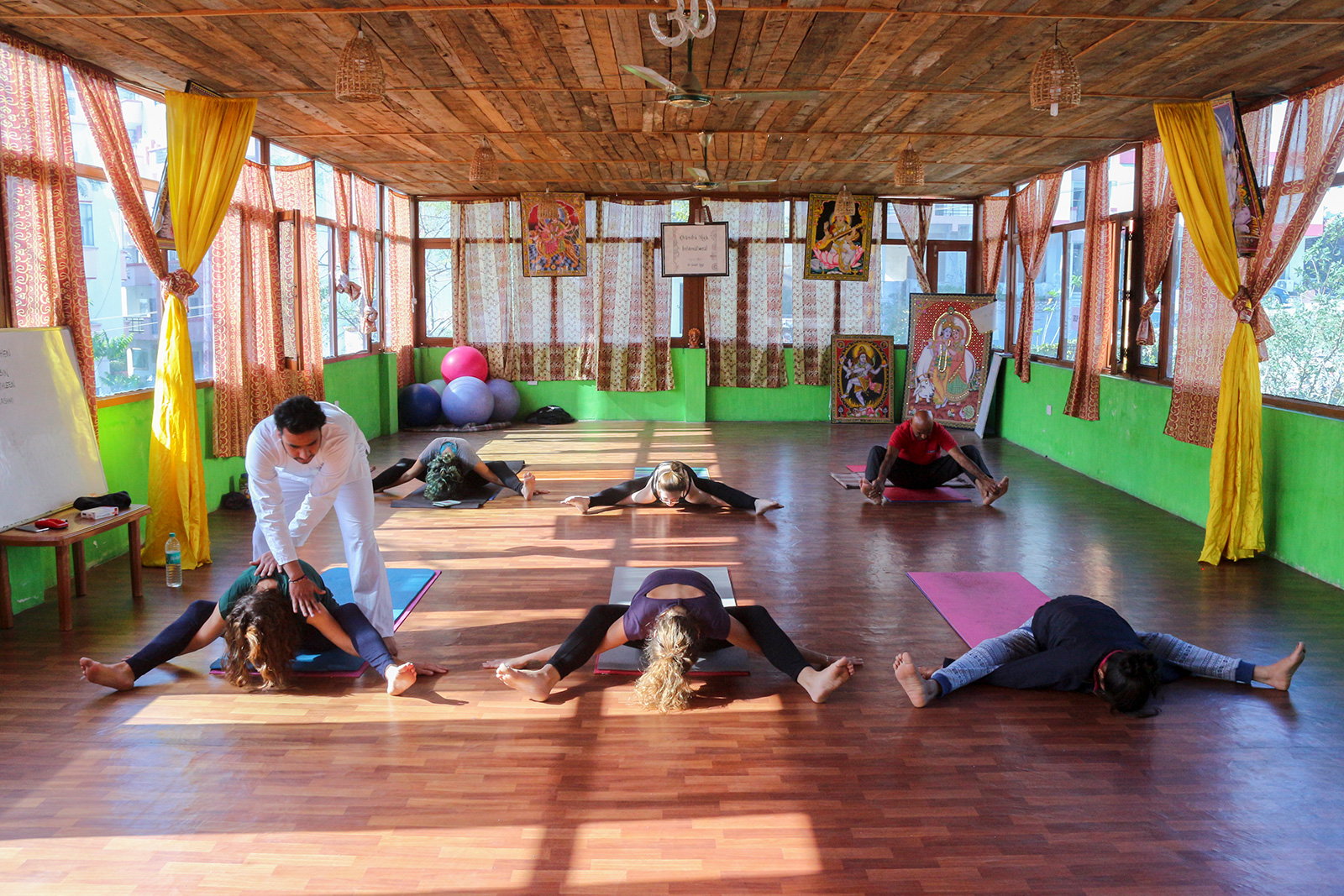
If you are a beginner looking for a place to start your yoga teacher training journey, Chandra Yoga Nepal offers an immersive 200-hour Yoga Teacher Training program in Lakeside, Pokhara. The program is designed for students who want to develop a strong foundation in yoga while learning in a peaceful Himalayan environment. You do not need previous professional teaching experience to join. A genuine interest in yoga, commitment to regular practice, and willingness to learn are the most important starting points.
Our 28-day residential training combines Hatha Yoga and Ashtanga Vinyasa with essential areas of yoga education, including asana, pranayama, meditation, anatomy, yoga philosophy, and teaching methodology. Through structured lessons and practical sessions, students gradually develop their knowledge and confidence. Whether your goal is to become a yoga instructor or deepen your personal practice, Chandra Yoga Nepal provides an opportunity to experience yoga as a complete learning journey.
What Will You Learn at Chandra Yoga Nepal?
Our 200-hour Yoga Teacher Training introduces students to the essential aspects of traditional yoga.
Hatha Yoga and Ashtanga Vinyasa
Learn foundational yoga postures, alignment, movement, and breathing coordination through Hatha Yoga and Ashtanga Vinyasa practices.
Pranayama and Meditation
Explore traditional breathing techniques and meditation practices that develop concentration, mindfulness, and self-awareness.
Yoga Philosophy
Understand the traditional principles of yoga and explore how yogic teachings can be applied in everyday life.
Anatomy and Physiology
Develop an understanding of the human body, movement, posture, and safe yoga practice.
Teaching Methodology
Learn how to guide yoga sessions, demonstrate postures, communicate with students, and develop confidence as an aspiring instructor.
Practical Teaching
Get opportunities to practise teaching, receive feedback, and gradually improve your ability to guide others.
What Is Included in the 28-Day Training Experience?
The residential program provides an immersive learning environment with:
- 28 days of structured training.
- Daily yoga practice and theoretical sessions.
- Hatha Yoga and Ashtanga Vinyasa.
- Pranayama and meditation.
- Yoga philosophy and anatomy.
- Teaching methodology and practical teaching.
- Private or shared accommodation with an attached bathroom.
- Three nutritious vegetarian meals daily.
The program takes place in Lakeside, Pokhara, providing students with an opportunity to learn yoga while experiencing the natural beauty and peaceful atmosphere of Nepal.
Who Can Join the Training?
The program is suitable for:
- Complete beginners interested in learning yoga.
- Regular yoga practitioners who want to deepen their knowledge.
- Individuals planning to become yoga instructors.
- International students looking for residential yoga training in Nepal.
- People interested in traditional yoga, meditation, and personal development.
You do not need to be an expert in advanced yoga postures. What matters most is your willingness to learn, practise consistently, and develop a deeper understanding of yoga.
Ready to begin your yoga journey?
Explore the 200-Hour Yoga Teacher Training at Chandra Yoga Nepal and learn how to start your yoga journey in Pokhara.
Contact our team to learn more about upcoming training dates, availability, course fees, and accommodation.
Frequently Asked Questions About Yoga Teacher Training for Beginners
1. Can beginners join yoga teacher training?
Yes. Beginners can join a foundational 200-hour Yoga Teacher Training program. You do not need professional teaching experience or advanced yoga skills. A genuine interest in learning and commitment to regular practice are important.
2. Do I need to be flexible to join yoga teacher training?
No. Flexibility is not a requirement. Yoga teacher training helps you understand body movement, alignment, balance, and safe practice. You gradually develop flexibility through consistent training.
3. What is the best yoga teacher training for beginners?
A 200-hour Yoga Teacher Training is generally the best starting point. It introduces essential subjects such as asana, pranayama, meditation, anatomy, philosophy, and teaching methodology.
4. How long does beginner yoga teacher training take?
An intensive residential 200-hour program usually takes around three to four weeks. Other programs may take several months, depending on their schedule and learning format.
5. Can I become a yoga teacher after a 200-hour course?
Yes. A qualifying 200-hour training provides the foundational education needed to begin teaching yoga. You should continue practising and gaining teaching experience to develop your skills.
6. Is yoga teacher training difficult for beginners?
It can be challenging because it involves daily physical practice, theoretical learning, meditation, and practical teaching. However, a well-structured beginner-friendly program guides students through the subjects gradually.
Final Thoughts: Your Yoga Journey Starts with Learning
Starting yoga teacher training as a beginner may feel challenging, but you do not need years of experience, exceptional flexibility, or advanced physical abilities to take the first step. What matters is having a genuine interest in yoga, being willing to learn, and developing a consistent personal practice.
A 200-hour Yoga Teacher Training helps you understand the fundamentals of yoga, explore traditional teachings, develop practical skills, and build the foundation needed to begin teaching. It can also be a meaningful experience if your goal is personal growth rather than a professional career.
If you want an immersive learning experience, consider joining Chandra Yoga Nepal’s 200-hour Yoga Teacher Training in Pokhara. Learn traditional yoga practices, develop your understanding, and experience the peaceful surroundings of the Himalayas.
You do not have to be an expert to begin. You just have to be ready to learn.